Category: Ireland

Ireland has earned a reputation for breathtaking scenery, friendly locals, and historic castles. However, there’s another reason travelers are adding it to their bucket lists: the food. Thanks to fresh local ingredients, talented chefs, and a renewed focus on traditional recipes, Ireland has become one of Europe’s most exciting foodie destinations.

Whether you’re sampling artisan cheeses along the Wild Atlantic Way, browsing a bustling farmers market, or enjoying a gourmet meal overlooking rolling green countryside, discovering the food in Ireland is one of the best ways to experience the country’s culture.

Is Ireland a Foodie Destination?

Absolutely.

Gone are the days when Irish cuisine was known only for hearty comfort food. Today, Ireland’s culinary scene blends centuries-old traditions with modern farm-to-table dining. Fresh seafood arrives daily from the Atlantic. Grass-fed beef and lamb are considered among the best in the world. Local producers supply everything from handcrafted cheeses to organic vegetables and artisan breads.

Many restaurants build their menus around seasonal ingredients sourced from nearby farms. This makes every meal a reflection of the region you’re visiting. For travelers who enjoy discovering a destination through its flavours, Ireland is a foodie destination that’s well worth exploring.

What Is Ireland’s Most Famous Food?

When people think of traditional Irish food, a few iconic dishes immediately come to mind.

Irish Stew

Made with tender lamb (or sometimes beef), potatoes, carrots, onions, and herbs, Irish stew is perhaps the country’s most famous dish. It’s simple, comforting, and deeply connected to Ireland’s rural heritage.

Soda Bread

Found on nearly every Irish table, soda bread is made without yeast, relying instead on baking soda for its rise. Fresh from the oven and served with Irish butter, it’s a must-try during your visit.

Boxty

This traditional potato pancake is especially popular in the northwest. Crispy on the outside and soft inside, it’s often served alongside meats or smoked salmon.

Seafood Chowder

Along Ireland’s coast, rich seafood chowder filled with fresh fish, mussels, prawns, and salmon showcases the country’s incredible Atlantic seafood.

Irish Food - seafood

What Food Do You Have to Try When Traveling to Ireland?

While every region has its own specialties, there are certain dishes and flavors that every visitor should experience. Seafood lovers should experience Galway oysters or Atlantic salmon, both celebrated for their exceptional quality and freshness. Ireland’s world-renowned grass-fed beef is another standout.

For a taste of traditional Irish cuisine, try black and white pudding as part of a full Irish breakfast, served alongside homemade brown bread slathered with rich Irish butter. Cheese enthusiasts should seek out artisan varieties from counties like Cork and Tipperary. And, those with a sweet tooth can finish their meal with a classic Irish apple tart topped with fresh cream. To round out the experience, sample a locally produced Irish whiskey or craft beer. Both of which reflect the country’s rich brewing and distilling traditions.

Many of these specialties can be found in restaurants, cozy pubs, and local markets throughout Ireland, giving visitors countless opportunities to experience the authentic flavors that make Irish cuisine so memorable.

Farm-to-Table Dining Across Ireland

One of the biggest reasons Ireland’s culinary reputation has grown is its commitment to locally sourced ingredients. Across the country, chefs work closely with nearby farmers, fishermen, cheesemakers, and growers to create menus that change with the seasons. Many restaurants celebrate what is grown or caught just miles away.

Visitors will find exceptional farm-to-table restaurants in Ireland. Places like County Cork, Galway, Killarney, and the Wild Atlantic Way celebrate fresh seafood and locally grown produce. Dining at these restaurants isn’t just about enjoying a great meal. It’s about experiencing the flavors and traditions that define each region.

Explore Ireland’s Local Markets

One of the best ways to discover authentic food in Ireland is by visiting its local markets.The Cork English Market, one of Europe’s oldest covered markets, known for artisan cheeses, fresh seafood, meats, baked goods, and specialty foods. In Galway, the Galway Market sells everything from handmade chocolates to fresh oysters and international street food. On the Northern Irelands side, St George’s Market is a favorite for local produce, artisan foods, live music, and handmade crafts.

These markets offer an excellent opportunity to meet local producers while sampling some of Ireland’s freshest ingredients.

What Food Is Dublin Known For?

Dublin has become one of Ireland’s top culinary destinations. The city is especially known for the Dublin coddle, a traditional stew made with sausages, bacon, potatoes, and onions. Along with the coddle, you can expect fresh seafood, seasonal ingredients, and Irish classics. Outside of meals, make sure to experience the excellent bakeries, coffee shops, whiskey tastings, and craft breweries.

Whether you’re enjoying fine dining or a casual pub meal, Dublin food offers something for every taste.

Irish Food - Guinness

Where to Eat in Ireland: Local Restaurants Worth Visiting

No trip to Ireland is complete without enjoying a meal at one of its locally loved restaurants. From Michelin-starred dining rooms to cozy family-run establishments, Ireland offers memorable dining experiences that showcase the country’s freshest ingredients and culinary traditions.

Best Restaurants in Dublin

Dublin’s restaurant scene has become one of the most exciting in Europe, blending traditional Irish flavours with modern culinary techniques. For an unforgettable fine dining experience, Chapter One by Mickael Viljanen showcases elegant tasting menus built around the finest seasonal Irish ingredients. If you’re looking for a relaxed atmosphere with beautiful views of the River Liffey, The Winding Stair serves contemporary Irish dishes made with locally sourced produce, seafood, and meats.

For travelers hoping to sample classic Irish comfort food, The Woollen Mills offers updated takes on traditional favorites in a historic setting. Seafood lovers should also make time for SOLE Seafood & Grill, where fresh oysters, lobster, and sustainably caught Irish seafood are the stars of the menu.

Great Restaurants Beyond Dublin

Some of Ireland’s most memorable dining experiences are found beyond the capital. Chefs have easy access to exceptional local farms, fisheries, and artisan producers. In County Cork, Ballymaloe House is widely regarded as one of the pioneers of Ireland’s farm-to-table movement, with many ingredients harvested directly from its gardens and farm.

On Ireland’s west coast, Kai Restaurant has earned a devoted following for its creative seasonal menus that celebrate the freshest local ingredients. In the picturesque fishing town of Dingle, The Fish Box offers some of the country’s freshest seafood, supplied by the owners’ own fishing family. For those traveling through Northern Ireland, OX Belfast has become one of the island’s premier dining destinations, combining contemporary cooking with outstanding regional ingredients.

Ballymaloe House - Outdoor

Experience Ireland Through Its Food

One of the best parts of traveling through Ireland is discovering how every county has its own culinary traditions. From coastal seafood villages to countryside farm kitchens and vibrant city markets, every stop offers something unique.

At Brack Tours, our guided Ireland vacations give travelers the opportunity to experience not only Ireland’s iconic landscapes but also its unforgettable flavors. Whether you’re savoring fresh oysters, browsing a local farmers market, or sitting down to a traditional Irish meal, you’ll discover that some of Ireland’s most memorable experiences happen around the table.

Dublin is one of Europe’s most exciting capital cities to visit. One of Dublin’s biggest advantages is what lies just beyond the city limits. Within an hour or two, you can trade bustling streets for dramatic sea cliffs, medieval castles, and charming Irish towns that feel worlds away. Planning day trips from Dublin is one of the best ways to experience Ireland’s rich history, breathtaking scenery, and welcoming culture.

Many of Ireland’s most popular attractions are easily reached by train, guided tour, or rental car. Each destination offers unforgettable experiences without the need to change hotels. In this guide, we will break down the best day trip from Dublin for your perfect Irish adventure.

Howth: Dublin’s Favorite Coastal Day Trip

When travelers ask where to visit from Dublin by train, Howth is almost always the first recommendation. Located just 30 minutes from Dublin on the DART, this picturesque fishing village combines spectacular coastal scenery with fresh seafood, scenic walking trails, and a relaxed atmosphere. 

The famous Howth Cliff Walk offers panoramic views of the Irish Sea, rugged cliffs, and the iconic Baily Lighthouse. Depending on how much time you have, several walking routes are available from longer to shorter hikes. Along the harbor, fishing boats bring in the day’s catch while restaurants serve some of the freshest seafood in Ireland. Visitors can also explore the grounds of Howth Castle or browse local shops.

For travelers looking for one of the best day trips from Dublin by train, Howth is difficult to beat. It combines beautiful scenery, outdoor adventure, excellent food, and easy accessibility all in one destination.

Howth Head - Best Day Trips from Dublin

Malahide: A Historic Castle and Seaside Charm

Just north of Dublin, Malahide offers the perfect blend of history, gardens, and coastal beauty. Easily reached on the DART in about 30 minutes, it is one of the most convenient castle day trips from Dublin.

The centerpiece is Malahide Castle, one of Ireland’s oldest castles. Malahide Castle was home to the Talbot family for nearly 800 years. Visitors can tour the beautifully preserved rooms before wandering through the extensive botanical gardens surrounding the estate. The nearby Butterfly House adds another unique experience, while Avoca at Malahide Castle is an excellent place to stop for lunch.

After exploring the castle grounds, stroll through Malahide Village where independent boutiques, cafés, and traditional Irish pubs line the streets. Continue toward the marina and beach for peaceful waterfront views before heading back to Dublin.

For visitors interested in Irish history without venturing too far from the city, Malahide is one of the best places to visit near Dublin.

Malahide Castle and Gardens - Best Day Trips from Dublin

Glendalough and the Wicklow Mountains: Ireland’s Garden County

No list of the best day trips from Dublin would be complete without Glendalough and the Wicklow Mountains. Located approximately an hour south of Dublin, this spectacular region is known for its ancient monastic settlement, crystal-clear lakes, forest trails, and breathtaking mountain scenery.

Founded by Saint Kevin in the sixth century, Glendalough remains one of Ireland’s most important early Christian sites. Visitors can explore the iconic Round Tower, centuries-old churches, stone crosses, and peaceful cemetery before setting off along scenic walking trails surrounding the Upper and Lower Lakes.

Beyond Glendalough, the Wicklow Mountains National Park offers some of Ireland’s most impressive landscapes. Winding roads such as Sally Gap reveal sweeping views of heather-covered hills, lakes, waterfalls, and valleys that have appeared in countless films and television series.

Guided day tours from Dublin frequently combine Glendalough with the Wicklow Mountains, making it one of the most popular excursions for visitors who prefer not to drive. Whether you’re interested in hiking, photography, history, or simply enjoying Ireland’s natural beauty, this region is an unforgettable destination.

Wicklow Mountains trail running - Best Day Trips from Dublin

Kilkenny: Ireland’s Medieval Treasure

Approximately 90 minutes from Dublin by train, Kilkenny is one of Ireland’s best-preserved medieval cities and a fantastic destination for history lovers.

Kilkenny Castle dominates the skyline and offers beautifully restored interiors, formal gardens, and riverside walking paths. Beyond the castle, the Medieval Mile connects many of the city’s historic landmarks, including ancient churches, narrow alleyways, and centuries-old buildings that tell the story of Ireland’s past.

Kilkenny is also known for its thriving arts scene, artisan shops, traditional pubs, and excellent restaurants. Visitors can tour the Smithwick’s Experience to learn about one of Ireland’s oldest brewing traditions before enjoying dinner in one of the city’s cozy eateries.

For travelers looking to experience Irish history without spending hours on the road, Kilkenny is one of the best day tours from Dublin and one of the easiest cities to reach by train.

Kilkenny Castle - Best Day Trips from Dublin

Dalkey: A Hidden Gem on Dublin’s Coast

Often overlooked by international visitors, Dalkey is one of Ireland’s hidden gems and one of the prettiest towns near Dublin. Just 30 minutes from Dublin on the DART, Dalkey is filled with colorful buildings, boutique shops, historic churches, and charming cafés. The town’s medieval heritage comes alive at Dalkey Castle, where guided tours share stories of merchants, pirates, and local history.

Nearby Killiney Hill rewards visitors with spectacular panoramic views over Dublin Bay, the Irish Sea, and even the distant Wicklow Mountains on clear days. The scenic walk is well worth the effort and provides some of the best viewpoints near Dublin. Dalkey’s relaxed atmosphere makes it an ideal escape from the city while remaining incredibly easy to reach.

Trim: Ireland’s Largest Norman Castle

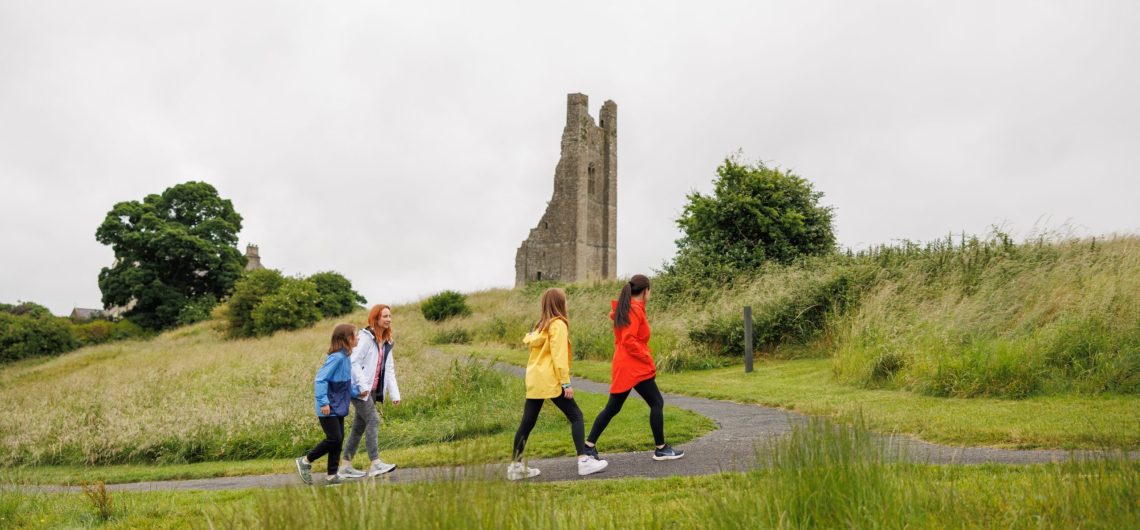
History enthusiasts should consider adding Trim to their Ireland itinerary. Located in County Meath, this charming town is home to Trim Castle, the largest Anglo-Norman castle in Ireland and a filming location for the award-winning movie Braveheart.

The impressive stone fortress overlooks the River Boyne and dominates the surrounding medieval streets. Visitors can join guided tours to explore the castle’s interior while learning about its role in Ireland’s history.

Beyond the castle, Trim’s riverside walks, historic churches, and welcoming cafés create a relaxing atmosphere that rewards those looking to venture beyond Ireland’s busiest tourist destinations.

Skerries: One of the Prettiest Towns Near Dublin

If you’re asking, “What is the prettiest town near Dublin?” Skerries deserves a place near the top of the list.

Located about 40 minutes north of Dublin by train, this charming seaside town offers sandy beaches, colorful harbors, historic windmills, waterfront cafés, and a slower pace of life that immediately captures visitors’ hearts.

Unlike some of Ireland’s busier tourist destinations, Skerries still feels authentic and relaxed. Visitors can stroll along the harbor, watch fishing boats come and go, enjoy fresh seafood overlooking the water, or simply spend the afternoon walking along the beach.

Its combination of coastal beauty and easy accessibility makes Skerries one of the best hidden villages near Dublin.

Skerries - Best Day Trips from Dublin

Where to Visit from Dublin by Train

One of the best things about exploring Ireland from Dublin is the country’s excellent rail network. Travelers can easily reach destinations such as Howth, Malahide, Dalkey, Skerries, and Kilkenny without renting a car. The DART follows Dublin Bay, offering beautiful coastal views along the journey, while Irish Rail connects the capital with many of Ireland’s most historic towns and cities.

Choosing destinations accessible by train allows visitors to relax, enjoy the scenery, and avoid navigating unfamiliar roads. For many travelers, these rail journeys become part of the overall experience, making day trips from Dublin by train one of the easiest and most enjoyable ways to discover Ireland.

What Are the Best Day Tours from Dublin?

The best day tours from Dublin depend on the type of experience you’re looking for. Travelers interested in history often choose guided tours to Glendalough, the Wicklow Mountains, or the Boyne Valley, while nature lovers gravitate toward scenic destinations like Howth and Bray. Those looking to explore medieval Ireland frequently choose Kilkenny or Trim. 

Guided tours are an excellent option for travelers who prefer someone else to handle transportation and planning, while independent travelers will appreciate how many incredible destinations are easily reached by train or rental car.

Final Thoughts

One of the greatest advantages of visiting Dublin is that you never have to travel far to experience another side of Ireland. Within a short drive or train ride, you’ll find dramatic cliff walks, centuries-old castles, charming seaside villages, rolling mountains, and vibrant medieval towns that showcase the country’s incredible diversity.

Whether you’re hiking above the sea in Howth or exploring Kilkenny’s medieval streets, these unforgettable destinations prove that some of Ireland’s best experiences begin just beyond Dublin. If you’re planning an Irish vacation, Brack Tours can help you make the most of your time in Ireland. From iconic landmarks to hidden gems, we’ll help you create an itinerary that matches your interests and travel style. Contact us today to start planning your unforgettable Irish adventure.

Golf’s biggest team competition is returning to Ireland in September 2027, when the Ryder Cup takes over Adare Manor in County Limerick. For golf fans, it’s a rare opportunity to experience one of the sport’s most exciting events while experiencing Ireland’s world-class golf, scenery, and hospitality. 

If you’re considering a trip to Ireland for the 2027 Ryder Cup, now is the time to start thinking beyond tournament tickets. Where you stay, how you get around, what courses you want to play, and where else you want to explore can turn a few days at the Ryder Cup into an unforgettable Ireland vacation.

Here’s what to know as you start planning.

What Is the Ryder Cup?

The Ryder Cup is one of the most prestigious events in golf. Held every two years, it brings together top professional golfers from Europe and the United States for a three-day match-play competition.

Unlike traditional golf tournaments, players compete as teams rather than individuals, creating a different atmosphere from a typical professional golf event. With no prize money at stake, the focus is on representing Team Europe or Team USA and competing for the Ryder Cup.

The team format and passionate crowds have helped make the Ryder Cup one of the most anticipated events on the golf calendar.

2027 Ryder Cup - Adare Manor

When and Where Is the Ryder Cup 2027?

The 2027 Ryder Cup will take place September 17–19, 2027, with practice rounds and festivities beginning earlier in the week.

The tournament will be hosted at Adare Manor, one of Ireland’s most luxurious golf resorts, located in the picturesque village of Adare in County Limerick. The championship course was redesigned by renowned golf course architect Tom Fazio specifically with major international tournaments in mind, making it a fitting stage for one of golf’s biggest events.

Beyond the course itself, Adare is often considered one of Ireland’s prettiest villages. Thatched cottages, historic churches, boutique shops, and welcoming pubs make it a wonderful place to spend time before or after the tournament.

Why This Ryder Cup Is So Special

While Ireland is famous for its golf, the country has hosted the Ryder Cup only once before, at The K Club in County Kildare in 2006. The return of the tournament is a major milestone and will draw hundreds of thousands of visitors from around the world.

The 2027 event also coincides with the Ryder Cup’s centennial year, adding even more significance to an already historic competition. For visitors, it’s a unique opportunity to experience the excitement of the Ryder Cup while exploring Ireland. 

How Far in Advance Should You Plan?

The Ryder Cup brings enormous demand for accommodations and transportation, particularly around Adare and Limerick. Travelers who want to combine the tournament with a longer Ireland vacation should begin planning well in advance.

The earlier you start, the more flexibility you’ll have when choosing where to stay, which tournament days to attend, what golf courses to play, and where to travel before or after the event.

This is particularly important if you’re traveling with a group or hoping to play some of Ireland’s most sought-after golf courses.

2027 Ryder Cup - Adare Manor

Turn the Ryder Cup Into an Ireland Golf Vacation

If you’re traveling across the Atlantic for the Ryder Cup, why stop at watching golf?

Ireland is home to some of the world’s most celebrated courses, and a Ryder Cup trip can be designed to include rounds before or after the tournament. Depending on your itinerary, you might combine your time at Adare Manor with golf along Ireland’s spectacular southwest coast or travel farther to experience some of the country’s legendary links.

Brack Tours can help coordinate tee times, accommodations, transportation, and sightseeing around your Ryder Cup plans, creating a trip that balances tournament days with time on the course.

Explore More of Ireland

The Ryder Cup’s County Limerick location also puts you within reach of some of Ireland’s most memorable destinations.

Spend time along the dramatic Cliffs of Moher, explore the Dingle Peninsula, travel the Ring of Kerry, experience traditional music in a local pub, or add a few days in Dublin before heading west.

With more time, you can continue north to Belfast, the Giant’s Causeway, and the Causeway Coastal Route.

The key is building an itinerary that makes sense geographically, so you spend more of your vacation experiencing Ireland and less of it getting from one place to another.

Let Brack Tours Plan Your 2027 Ryder Cup Vacation 

Planning travel around an event as popular as the Ryder Cup involves more than booking a hotel and buying a plane ticket. Accommodations, transportation, tournament days, tee times, and sightseeing all need to work together.

Brack Tours specializes in customized Ireland vacations and golf travel. Whether you want to attend multiple days of the Ryder Cup, play some of Ireland’s legendary courses, explore the countryside with family or friends, or combine all three, we’ll create an itinerary around the way you want to experience Ireland.

Planning to attend the 2027 Ryder Cup? Start planning your custom Ireland golf vacation with Brack Tours.

Whether you’re planning your first trip or returning to explore more of the country, visiting an authentic Irish pub is one of the highlights of any Ireland holiday. From centuries-old taverns in Dublin to lively music pubs along the Wild Atlantic Way and historic inns in Ireland’s Ancient East, these are ten of the best Irish pubs in Ireland to add to your itinerary.

Irish pubs are far more than places to enjoy a pint. They’re where stories are shared, music fills the air, friendships are made and visitors experience the famous warmth of Irish hospitality. Some have stood for centuries, while others have become local institutions thanks to their atmosphere, history and welcoming character.

Every traveller has their own favourite, but these pubs consistently offer an authentic taste of Ireland and showcase why Irish pub culture is recognised around the world.

Best Irish Pubs in Dublin

1. The Brazen Head – Dublin

Dating back to 1198, The Brazen Head is widely recognized as Ireland’s oldest pub. Its stone walls, cozy fireplaces, and centuries of history make it a must-visit for anyone exploring Dublin. Today, you’ll still find traditional Irish music, hearty meals, and plenty of character.

Don’t miss an evening music session after spending the day sightseeing in Dublin.

2. Kehoe’s – Dublin

Just off Grafton Street, Kehoe’s is the kind of pub that’s easy to walk past but impossible to forget once you’ve stepped inside. Its narrow rooms, polished wood interior, stained-glass details, and cozy snugs create a classic Dublin atmosphere that feels refreshingly authentic. It’s a favorite with locals stopping in after work and visitors looking for a traditional pub away from the louder Temple Bar crowds.

Grab a pint of Guinness, find a quiet corner, and enjoy one of Dublin’s most beloved neighborhood pubs.

The Brazen Head Pub, best Irish pubs in Ireland

Ireland’s Historic Heart

3. Sean’s Bar – Athlone

Recognized by Guinness World Records as the oldest pub in Ireland, Sean’s Bar has been serving visitors for well over a thousand years.

Original building materials discovered during renovations are displayed inside, adding another layer to the experience. Live music, friendly conversation, and riverside views make this a memorable stop when traveling across the country.

Best Irish Pubs on the Wild Atlantic Way

4. Tigh Neachtain – Galway

Located in the heart of Galway, Tigh Neachtain is known for its cozy atmosphere and strong connection to the city’s artistic community. Expect an excellent selection of Irish whiskey, local craft beers, and regular traditional music sessions.

After exploring Galway’s colorful streets, it’s the perfect place to unwind.

5. McDermott’s Pub – Doolin

Doolin is often called the home of traditional Irish music, and McDermott’s Pub is one of the best places to experience it.

After visiting the Cliffs of Moher or exploring the Burren, settle in for an evening of live music performed by talented local musicians. The welcoming atmosphere makes it easy to linger longer than planned.

6. Matt Molloy’s Pub – Westport

Owned by Matt Molloy of the renowned Irish folk band The Chieftains, this Westport pub has earned a reputation as one of Ireland’s premier destinations for traditional music.

Musicians often gather for impromptu sessions, creating an atmosphere that feels genuine rather than staged for tourists.

7. Dick Mack’s – Dingle

Dick Mack’s is unlike almost any other pub in Ireland. Originally a leather shop, remnants of the business still remain alongside one of Dingle’s best-loved pubs.

With an impressive whiskey selection, outdoor courtyard, and frequent live music, it’s easy to spend an entire evening here soaking up the town’s lively atmosphere.

Traditional music at Matt Molloy's
Traditional music at Matt Molloy’s

Best Irish Pubs in Ireland’s Ancient East

10. Matt the Millers – Kilkenny

Overlooking the River Nore in the heart of medieval Kilkenny, Matt the Millers blends history with a lively contemporary atmosphere. Housed in a beautifully restored former grain warehouse, the pub regularly hosts live music across several floors while serving excellent food, local beers and perfectly poured pints.

It’s the ideal place to unwind after exploring Kilkenny Castle, the Medieval Mile and the city’s winding historic streets.

9. Sin É – Cork

One of Cork’s most iconic traditional pubs, Sin É has been at the heart of the city’s music scene for decades. Renowned for its nightly traditional Irish music sessions, warm atmosphere and excellent selection of Irish whiskeys and craft beers, it’s a favourite among both locals and visitors.

If you’re exploring Cork’s English Market, Shandon Bells or the city’s vibrant streets, Sin É is the perfect place to experience authentic Cork hospitality.

10. Geoff’s Bar – Waterford

A firm favourite in Ireland’s oldest city, Geoff’s Bar blends traditional Irish hospitality with a modern atmosphere. Known for its excellent food, extensive drinks selection and welcoming service, it’s an ideal stop after discovering the Waterford Viking Triangle, House of Waterford Crystal or the city’s medieval museums.

Whether you’re calling in for lunch, dinner or simply a pint, Geoff’s offers one of Waterford’s best pub experiences.

Matt The Millers

Honorable Mentions

Ireland is filled with exceptional pubs, and narrowing the list to just ten isn’t easy. These favorites are also well worth adding to your itinerary:

  • Foxy John’s (Dingle): A wonderfully quirky combination of hardware store and traditional pub, where you can buy a hammer and enjoy a pint under the same roof. It’s one of Dingle’s most memorable and unique attractions.
  • Toners (Dublin): One of Dublin’s oldest and most respected pubs. Toners is renowned for serving an excellent pint of Guinness, its historic snug, and a spacious beer garden that’s popular with locals year-round.
  • John Kavanagh’s “The Gravediggers” (Dublin): Situated beside Glasnevin Cemetery, this legendary pub has built its reputation on perfectly poured Guinness, traditional surroundings, and an atmosphere where conversation remains the main attraction.
  • The Palace Bar (Dublin): A beautifully preserved Victorian pub with strong literary connections, an outstanding whiskey collection, and a timeless traditional atmosphere just moments from Temple Bar.
  • Liberty Belle (Dublin): A modern neighborhood favourite offering an excellent selection of craft beers, creative cocktails, and a relaxed atmosphere that attracts both locals and visitors.
  • Dame Tavern (Dublin): A cozy hidden gem just off Dame Street. Dame Tavern is perfect for escaping the crowds while enjoying a quiet pint in intimate surroundings.
  • Mickey Finn’s (Redcross, County Wicklow): A classic country pub where visitors can enjoy friendly conversation, regular live music, hearty food, and a genuine local welcome.
  • Moran’s Oyster Cottage (County Galway): A legendary seafood pub overlooking Galway Bay. It’s renowned for serving some of Ireland’s finest oysters in one of the country’s most picturesque and historic pub settings.

Liberty Belle Pub, best Irish pubs in Ireland

Tips for Visiting Irish Pubs

To get the most out of your Irish pub experience, embrace the slower pace. Rather than stopping in for a quick drink, take time to relax, strike up a conversation, and soak in the atmosphere. If you can, visit a pub hosting a live traditional Irish music session. This is one of the most authentic ways to experience Ireland’s rich musical heritage.

While Guinness is a classic choice, don’t hesitate to sample a locally brewed beer, Irish cider, or a regional whiskey. During peak travel seasons, many popular pubs fill up quickly, so arriving a little earlier in the evening can help you find a good spot.

And don’t be afraid to strike up a conversation with a local. Irish hospitality is legendary, and you’ll often walk away with fascinating stories, insider recommendations, or even a few laughs. Finally, venture beyond the major cities. Some of Ireland’s most memorable pubs are tucked away in small towns and villages, where the warm welcome is just as memorable as the pint in your hand.

Frequently Asked Questions About Irish Pub

What is the oldest pub in Ireland?

Sean’s Bar in Athlone holds the Guinness World Record as the oldest pub in Ireland, with evidence dating back to around 900 AD. The Brazen Head in Dublin, which dates to 1198, is another of Ireland’s oldest and most famous historic pubs. Both are well worth visiting for travelers interested in Ireland’s rich pub history.

What should I order at an Irish pub?

Guinness is the classic choice, but many Irish pubs also serve excellent local craft beers, ciders, and Irish whiskeys. If you’re feeling adventurous, ask the bartender for a regional recommendation. It’s a great way to discover something new while supporting local producers.

Is Temple Bar worth visiting?

Temple Bar is Ireland’s most famous pub and one of Dublin’s most photographed landmarks. If it’s your first visit to Ireland, it’s worth stopping in to experience the lively atmosphere and enjoy the live music. However, because of its popularity, it can be crowded and more expensive than many other pubs in Dublin. Travelers looking for a more traditional experience often prefer pubs like Kehoe’s, Toners, or The Palace Bar. You’ll find a more local atmosphere.

Are Irish pubs family friendly?

Yes. Many Irish pubs welcome families, especially during the daytime and early evening when food is served. Some pubs even feature live traditional music that’s enjoyable for all ages. Later in the evening, the atmosphere may become more adult-oriented, particularly in larger cities.

Do Irish pubs have live traditional music every night?

Not every pub offers live music every night, but many do on weekends or during peak travel seasons. Towns such as Doolin, Galway, Dingle, and Westport are especially well known for traditional Irish music sessions. There, local musicians gather to play in an informal setting.

Do you tip in Irish pubs?

Tipping isn’t expected in the same way it is in the United States. If you’re ordering drinks at the bar, most locals don’t tip, although it’s always appreciated. If you’re enjoying table service or a meal, leaving around 10% for good service is a thoughtful gesture.

What is the best time of the year to visit?

While Irish pubs are enjoyable year-round, autumn and winter can be especially atmospheric. Think of roaring fires, traditional music, and fewer crowds. Summer offers longer evenings and bustling beer gardens, particularly along the Wild Atlantic Way. Making Irish pubs a great option no matter when you visit Ireland.

Temple Bar, best Irish pubs in Ireland

Experience Ireland One Pub at a Time

Whether you’re searching for historic pubs, traditional music sessions, or simply the perfect pint of Guinness, Ireland offers an incredible variety of pub experiences. From Dublin’s centuries-old taverns to cozy village pubs along the Wild Atlantic Way, every stop offers a unique glimpse into Irish culture and hospitality.

Many of these iconic Irish pubs can be experienced while exploring Ireland with Brack Tours. With our local expertise and deep knowledge of Ireland, we help travelers experience more than the country’s famous sights. We introduce you to the places, people, and traditions that make Ireland truly special. Whether you’re raising a pint after a day of sightseeing or enjoying a spontaneous traditional music session, you’ll experience the warmth, hospitality, and rich traditions that make Ireland’s pub culture an unforgettable part of every visit.

Ready to experience Ireland’s most memorable pubs for yourself? Explore Brack Tours’ guided Ireland vacations and discover the history, scenery, and authentic pub culture that make every journey unforgettable.


Traveling to Ireland as a family creates memories that last a lifetime. From exploring ancient castles and meeting friendly farm animals to discovering interactive museums and breathtaking coastlines, Ireland offers countless experiences that appeal to travelers of all ages.

While planning a family vacation can sometimes feel overwhelming, custom tours of Ireland make it easy to create an itinerary that balances adventure, education, relaxation, and fun. Whether you’re traveling with toddlers, school-aged children, or teenagers, a customized Irish tour allows your family to experience the country’s highlights at your own pace.

Top Kid-Friendly Experiences & Locations in Ireland

Explore Ireland’s Fairytale Castles

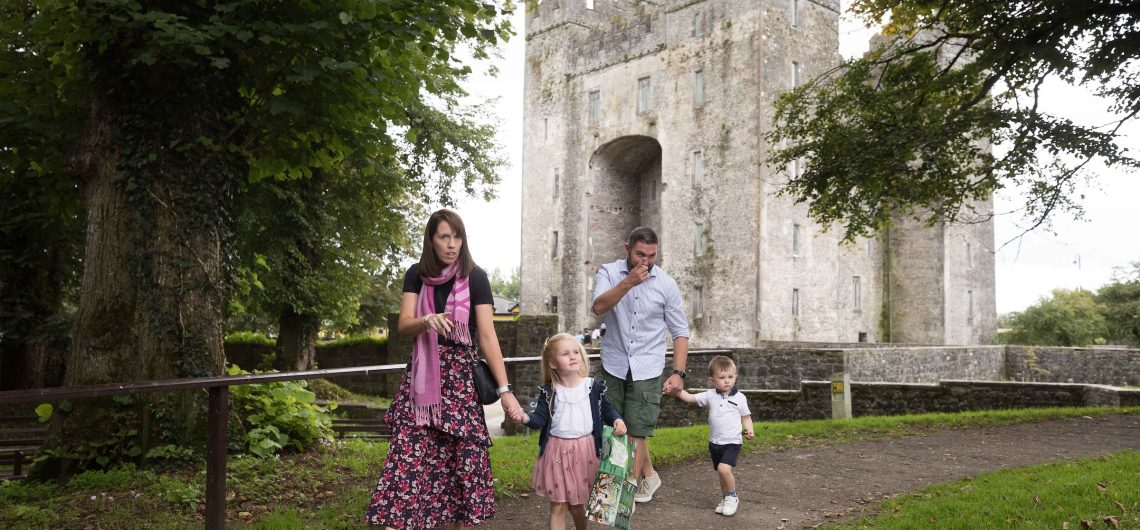
Few things spark a child’s imagination like stepping inside a real castle. Ireland is home to hundreds of castles, many of which offer engaging tours and family-friendly activities. Popular family favorites include Blarney Castle and Gardens, Bunratty Castle and Folk Park, Kilkenny Castle, and Malahide Castle.

Children can learn about knights, kings, and medieval life while exploring towers, hidden passageways, and beautiful grounds.

Discover the Cliffs of Moher

One of Ireland’s most iconic natural attractions, the Cliffs of Moher offers breathtaking views that leave visitors of all ages amazed.

The interactive visitor center helps younger travelers understand the area’s wildlife, geology, and history through engaging exhibits designed for families.

Walking portions of the cliff paths allows children to experience Ireland’s rugged coastline safely while taking in some of the country’s most spectacular scenery.

Visit Working Irish Farms

For many children, meeting farm animals becomes a highlight of the trip. Ireland’s countryside can offer families the opportunity to feed sheep and meet wildlife, watch sheepdog demonstrations, and learn about traditional farming techniques. 

These authentic rural experiences help children connect with Irish culture in a hands-on way.

Experience Dublin’s Family Attractions

Ireland’s capital offers plenty of entertainment for younger travelers.

Family-friendly attractions include the Dublin Zoo, EPIC The Irish Emigration Museum, Viking Splash Tours, Phoenix Park, and the National Museum of Ireland. These experiences blend education and entertainment, making Dublin an excellent stop for families.

Explore Killarney National Park

Outdoor-loving families will find endless opportunities for adventure in Killarney National Park. While you are at the park, enjoy easy, family-friendly hiking trails. Explore off-foot with horse-drawn jaunting car rides or a boat excursion. The park’s lakes, mountains, and woodlands create an ideal setting for family exploration.

Ride the Scenic Railways and Coastal Routes

Many children enjoy the journey just as much as the destination.

Custom family tours can incorporate scenic drives along the Wild Atlantic Way or train journeys that showcase Ireland’s dramatic landscapes, charming villages, and coastal scenery.

What is the Best Time to Visit Ireland as a Family?

The best time to visit Ireland as a family is typically between May and September. During these months, families can enjoy longer daylight hours, milder temperatures, more outdoor activities, and seasonal festivals or events. July and August offer the warmest weather and school vacation schedules, making them popular choices for family travel.

For families seeking fewer crowds while still enjoying pleasant conditions, May, June, and September often provide an excellent balance of weather and value.

How Much Does a Private Tour of Ireland Cost?

The cost of a private tour of Ireland varies based on several factors. These include trip length, number of travelers, accommodation or transportation preferences, or activities and attractions. Many custom family tours range from several thousand dollars for a shorter itinerary to more comprehensive luxury experiences for larger families.

While private tours may require a higher initial investment than independent travel, many families find the convenience, personalized planning, and stress reduction well worth the cost.

A custom itinerary helps ensure your travel budget is spent on experiences that matter most to your family.

Are Private Tour Guides Worth It?

For many families, the answer is absolutely. Private guides offer benefits that are particularly valuable when traveling with children. They allow for local expertise, flexible scheduling, stress-free travel, and personalized experiences. 

Why Choose a Custom Family Tour with Brack Tours?

Every family travels differently. That’s why a one-size-fits-all itinerary doesn’t always deliver the best experience. Brack Tours specializes in creating customized Ireland vacations designed around your family’s interests, travel style, and schedule. Whether you want to spend more time exploring castles, enjoying outdoor adventures, tracing family heritage, or discovering hidden gems off the typical tourist path, a custom tour allows you to experience Ireland your way.

Their local expertise and personalized approach ensure that every member of the family can enjoy a seamless and memorable Irish adventure.

Create Your Family’s Perfect Irish Adventure

Ireland offers endless opportunities for family fun, learning, and exploration. From ancient castles and dramatic coastlines to interactive museums and charming villages, there’s something to delight every generation.

A custom Ireland tour allows your family to experience the country’s highlights at a comfortable pace while enjoying personalized experiences tailored to your interests.

When you’re ready to start planning a family vacation filled with unforgettable memories, Brack Tours can help design an itinerary that’s as unique as your family itself.

Ireland’s winding coastal roads, rolling green countryside, and charming villages make it one of the world’s most rewarding road trip destinations. From the rugged Atlantic coastline to peaceful inland valleys, every turn seems to reveal another postcard-worthy view.

But while driving through Ireland can be an unforgettable experience, it can also come with challenges. Narrow country roads, driving on the left side of the road, unfamiliar signage, and navigating busy cities can quickly turn a dream vacation into a stressful one.

Whether you’re planning to rent a car or looking for a more relaxing alternative, this guide covers Ireland’s most scenic driving routes, essential driving tips, and the easiest way to experience the country’s highlights without the hassle.

What Is the Most Scenic Drive in Ireland?

Ireland is home to several spectacular driving routes, but many travelers consider the Ring of Kerry to be the country’s most scenic drive.

Stretching approximately 111 miles (179 kilometers) around County Kerry, the route showcases dramatic coastal cliffs, mountain landscapes, picturesque villages, and stunning ocean views. Highlights include Killarney National Park, Ladies View, Moll’s Gap, and the colorful town of Kenmare.

Other contenders for Ireland’s most scenic drive include:

The Wild Atlantic Way

At over 1,500 miles, the Wild Atlantic Way is one of the world’s longest defined coastal touring routes. Travelers can experience everything from the Cliffs of Moher and the Dingle Peninsula to the remote beauty of Donegal.

The Causeway Coastal Route

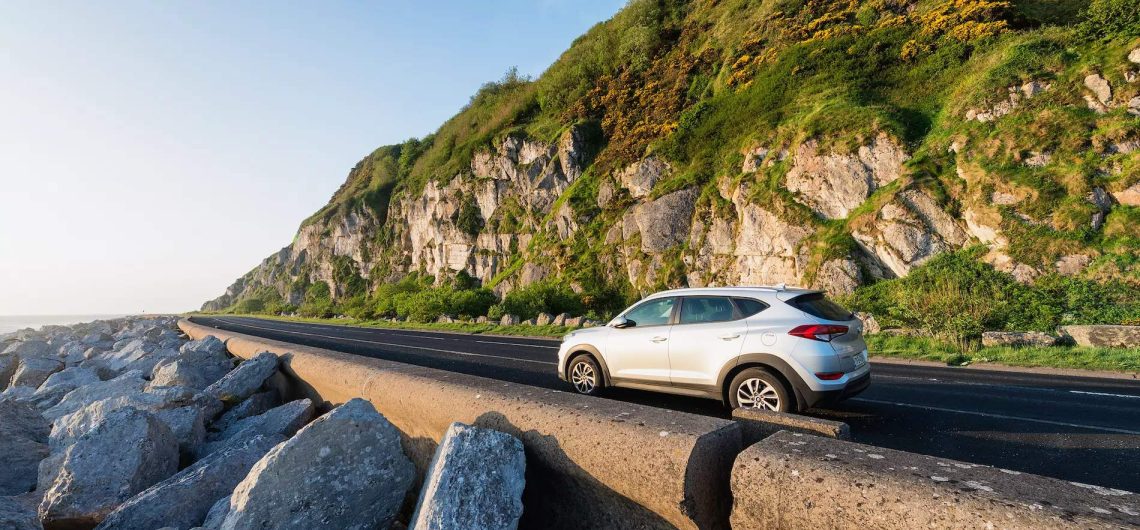
Northern Ireland’s famous coastal drive features dramatic sea cliffs, historic castles, and the iconic Giant’s Causeway.

The Copper Coast Drive

This lesser-known route in County Waterford offers rugged coastlines, quiet beaches, and fewer crowds than some of Ireland’s more famous roads.

Is It Difficult to Drive Around Ireland?

Driving in Ireland is generally manageable, but it can present challenges for international visitors.

Some common difficulties include:

  • Driving on the left side of the road
  • Navigating narrow rural roads
  • Encountering stone walls and hedges close to road edges
  • Understanding local road signs and roundabouts
  • Finding parking in busy cities such as Dublin, Galway, and Cork
  • Adjusting to changing weather conditions

For experienced drivers, these challenges are usually manageable after a few days. However, many visitors find that constantly navigating unfamiliar roads can take away from the enjoyment of the journey.

The good news is that there are ways to make your Irish adventure significantly more relaxing.

Essential Tips for Easy Driving in Ireland

If you plan to drive yourself, these tips can help make your trip smoother and more enjoyable.

Choose the Right Vehicle

Many Irish roads, especially in rural areas, are narrower than visitors expect. A compact vehicle is often easier to handle than a larger SUV.

Avoid Driving Immediately After Arrival

Jet lag and adjusting to driving on the opposite side of the road can be challenging. Consider spending your first day exploring on foot before getting behind the wheel.

Use GPS and Offline Maps

Cell service can be inconsistent in some remote regions. Download maps ahead of time to avoid navigation issues.

Take Your Time

Ireland is best enjoyed at a leisurely pace. Allow extra time for scenic stops, village visits, and unexpected discoveries.

Limit Daily Driving Distances

While Ireland appears small on a map, winding roads can make travel times longer than expected. Plan realistic driving days to avoid fatigue.

The Best Stress-Free Routes in Ireland

Some routes are naturally easier to navigate while still offering exceptional scenery.

Dublin to Galway

This straightforward journey connects Ireland’s vibrant capital with the cultural heart of the west. Well-maintained roads and clear signage make it an excellent option for first-time visitors.

The Ring of Kerry

While popular, the route is well-established and designed for sightseeing. Traveling during quieter times can make the experience more relaxed.

Killarney National Park Scenic Drives

The roads around Killarney offer stunning scenery without requiring long hours behind the wheel.

The Causeway Coastal Route

This northern route combines spectacular landscapes with relatively straightforward navigation and excellent visitor infrastructure.

Wicklow Mountains National Park

Just south of Dublin, this route offers beautiful scenery and historic sites while remaining easily accessible.

What Is the Best Stress-Free Way to Travel Across Ireland?

For travelers who want to enjoy Ireland’s scenery without worrying about directions, parking, road conditions, or driving on the left side of the road, a professionally guided tour is often the most stress-free option.

Instead of focusing on navigation, you can relax and enjoy the landscapes, local culture, and hidden gems that make Ireland so special.

Guided tours also provide several advantages:

  • No need to rent a car
  • No parking concerns
  • Expert local knowledge
  • Access to lesser-known destinations
  • Comfortable transportation
  • Carefully planned itineraries
  • More time to enjoy the experience

At Brack Tours, travelers can explore Ireland’s most iconic routes and hidden treasures without the stress of planning every detail. From the dramatic coastlines of the Wild Atlantic Way to charming countryside villages and historic landmarks, expertly curated tours allow you to experience the best of Ireland while someone else handles the logistics.

Whether you’re visiting for the first time or returning to discover new regions, traveling with an experienced Ireland tour specialist ensures a seamless journey from start to finish.

Explore Ireland the Easy Way

Ireland’s scenic roads are part of what makes the country so unforgettable. While self-driving can be rewarding, many travelers find that guided touring offers the perfect balance of adventure, comfort, and convenience.

With Brack Tours handling transportation, accommodations, and itinerary planning, you can focus on what matters most: soaking in Ireland’s breathtaking landscapes, rich history, and warm hospitality.

Ready to experience Ireland without the stress? Discover how Brack Tours can help you explore every corner of the Emerald Isle with ease.

Traveling between Ireland and Scotland by ferry is one of the easiest and most scenic ways to cross the Irish Sea. Whether you are road-tripping through the Highlands, touring Northern Ireland, or looking for an alternative to flying, ferries offer flexibility, luggage freedom, and the ability to bring your own car.

The most popular ferry routes connect Northern Ireland to southwest Scotland, with multiple daily sailings and crossing times of around two hours. While there are currently no direct passenger ferries from the Republic of Ireland to mainland Scotland, travelers can easily connect through Belfast or Larne.

The Main Ferry Routes Between Ireland and Scotland

The busiest and most convenient route is Belfast to Cairnryan, operated by Stena Line. The crossing takes approximately 2 hours and 15 minutes, with up to a dozen daily sailings during peak periods.

Another common option is Larne to Cairnryan, operated by P&O Ferries. This crossing is slightly shorter at roughly 2 hours and is often popular with drivers heading directly toward Glasgow or the Scottish Highlands.

Most travelers heading from the Republic of Ireland will first travel to Belfast before boarding the ferry to Scotland.

How Much Does It Cost to Ferry from Ireland to Scotland?

Ferry prices vary significantly depending on the season, how early you book, whether you are traveling with a vehicle, and the sailing time.

Foot passenger fares on the Belfast to Cairnryan route commonly start around €33–€42 one way when booked in advance.

If you are traveling with a car, expect prices to rise considerably. Average vehicle fares can range from approximately €175 for promotional deals to over €400 during peak summer travel dates.

Several factors impact pricing:

  • Summer sailings are the most expensive
  • Weekend departures cost more than midweek crossings
  • Early morning and late-night sailings are usually cheaper
  • Bringing a vehicle dramatically increases the fare
  • Booking several weeks or months ahead can save a substantial amount
Stena Line Ferry coming into Dublin

Which Is the Best Ferry from Scotland to Ireland?

For most travelers, the Belfast to Cairnryan route is considered the best overall option because of its frequency, modern ships, onboard facilities, and convenient road access on both sides.

Stena Line operates the large Superfast ferries on this route, which include lounges, restaurants, cinemas, shops, and upgraded seating areas. The crossing is smooth and reliable, making it ideal for families, road trippers, and first-time ferry passengers.

Meanwhile, P&O Ferries are often preferred by budget-conscious travelers because the Larne route can sometimes be slightly cheaper and faster.

If your destination is Glasgow or western Scotland, both routes work well, since Cairnryan is only about two hours by car from Glasgow.

Which Ferry Is the Better Option for Scotland Routes: Irish Ferries or Stena Line?

For Ireland-to-Scotland travel specifically, Stena Line is generally the stronger option because it directly operates the key Scotland route between Belfast and Cairnryan.

However, many travelers compare Stena Line with Irish Ferries because both companies dominate ferry travel around Ireland.

Here is how they typically compare:

Feature Stena Line Irish Ferries
Scotland routes Yes No direct Scotland routes
Onboard facilities Excellent Excellent
Frequency Very high on Belfast-Cairnryan Strong on Dublin and Wales routes
Vehicle travel Very popular Very popular
Budget fares Competitive Competitive
Best for Scotland and Northern Ireland travel Republic of Ireland to Wales or France

Travelers often praise Stena Line’s larger ships and smoother overall experience on the Scotland crossings. That said, Irish Ferries remains extremely popular for routes between Dublin and Holyhead and is often considered one of the best ferry operators for travelers entering Ireland from Britain.

Irish Ferries Boat coming into Dublin Port

Tips for Taking the Ferry from Ireland to Scotland

Book Early for the Best Prices

Ferry fares rise quickly during summer and around major holidays. Booking early can save a surprising amount, especially if you are bringing a vehicle.

Arrive Early at the Port

Most operators recommend arriving at least 45–60 minutes before departure, and longer for vehicle check-in during busy periods.

Bring Motion Sickness Medication if Needed

Although crossings are relatively short, the Irish Sea can occasionally be rough during winter months. Many travelers report the larger Stena vessels feel more stable in bad weather.

Consider Overnight Connections

If you are continuing deeper into Scotland, pairing an early ferry with a scenic drive through Ayrshire and Glasgow makes for an easy travel day.

Travel Midweek if Possible

Tuesday and Wednesday sailings are often noticeably cheaper than Friday or weekend departures.

Is the Ferry Better Than Flying?

For many travelers, yes! Especially if you are road-tripping. Ferries allow you to:

  • Bring unlimited luggage compared to airline restrictions
  • Travel with your own vehicle
  • Avoid airport security and baggage fees
  • Enjoy scenic sea views and onboard dining
  • Easily continue into Scotland without renting a car

Flights may be faster overall, but ferries offer a far more flexible and relaxed travel experience, particularly for longer vacations around Ireland and Scotland.

If you are planning a multi-country UK and Ireland itinerary, taking the ferry between Ireland and Scotland remains one of the most practical, and memorable, ways to travel.

Explore Ireland and Scotland with Brack Tours

From watching the coastline disappear behind you to arriving in the rugged landscapes of southwest Scotland, a ferry excursion adds another layer to an unforgettable trip through the British Isles.

For travelers who want to experience the best of both Ireland and Scotland without the stress of planning every detail, Brack Tours offers expertly crafted itineraries that combine iconic destinations, scenic routes, and authentic local experiences.

Ireland is an unforgettable destination for families, offering a mix of scenic landscapes, historic sites, and engaging experiences for all ages. If you’re exploring all-inclusive family trips to Ireland, what’s included, where to stay, and what to expect, this guide will help you plan a seamless and memorable adventure.

Key Tips for Ireland Family Trips

When traveling to Ireland with kids, early planning makes a big difference. Popular destinations like Dublin, Galway, and Killarney can fill up quickly, especially during spring and summer.

A well-balanced itinerary that combines city exploration with countryside experiences tends to work best, think castles, outdoor adventures, and interactive museums without feeling rushed. For families looking for ease and convenience, guided all-inclusive packages are a great way to enjoy Ireland without worrying about transportation or logistics.

Best Time for Family Travel

The best time to visit Ireland with children is late spring (May–June) or early fall (September), when you’ll find mild weather, fewer crowds, and longer daylight hours that make sightseeing more enjoyable. Summer is the busiest season, so if you’re planning to travel between July and August, booking early is essential to secure family-friendly accommodations and tours. One advantage of traveling with companies like Brack Tours is that their set departures are confirmed well in advance and often include some of the best hotels for the summer season, taking the stress out of planning during peak travel times.

All-Inclusive Family Trips to Ireland - family photo

Typical Family Trip Inclusions

Most all-inclusive Ireland family trips include accommodations, select meals, guided tours, and transportation between destinations. Many packages also feature entrance tickets to top attractions, castles, and outdoor experiences that appeal to a range of ages.

Rather than traditional large-scale resorts, Ireland’s “all-inclusive” experience often centers around boutique hotels, historic estates, and castle stays, creating a more immersive and authentic trip. Some tours also offer thoughtful extras like kid-friendly meals, activity packs, and guided experiences designed with families in mind.

Family-Friendly Resort Stays

Families exploring Ireland will find a wide range of unique accommodations. Castle stays, such as Ashford Castle or Dromoland Castle, offer a truly memorable experience, where kids can explore historic grounds and take part in activities like falconry or biking.

In regions like Killarney, Westport, and Galway, countryside lodges and coastal properties provide access to outdoor adventures, along with family-friendly amenities like pools and casual dining. In cities such as Dublin and Belfast, boutique hotels offer central locations and easy access to top attractions.

Top All-Inclusive Family Tour & Package Options

Guided multi-day tours are an excellent way to see Ireland without the stress of planning. Family-focused itineraries often cover Dublin, the Wild Atlantic Way, Killarney, and Galway, including accommodations, meals, and age-appropriate activities. Some packages highlight castles, folklore, and outdoor adventures, ensuring a memorable experience for children and adults alike.

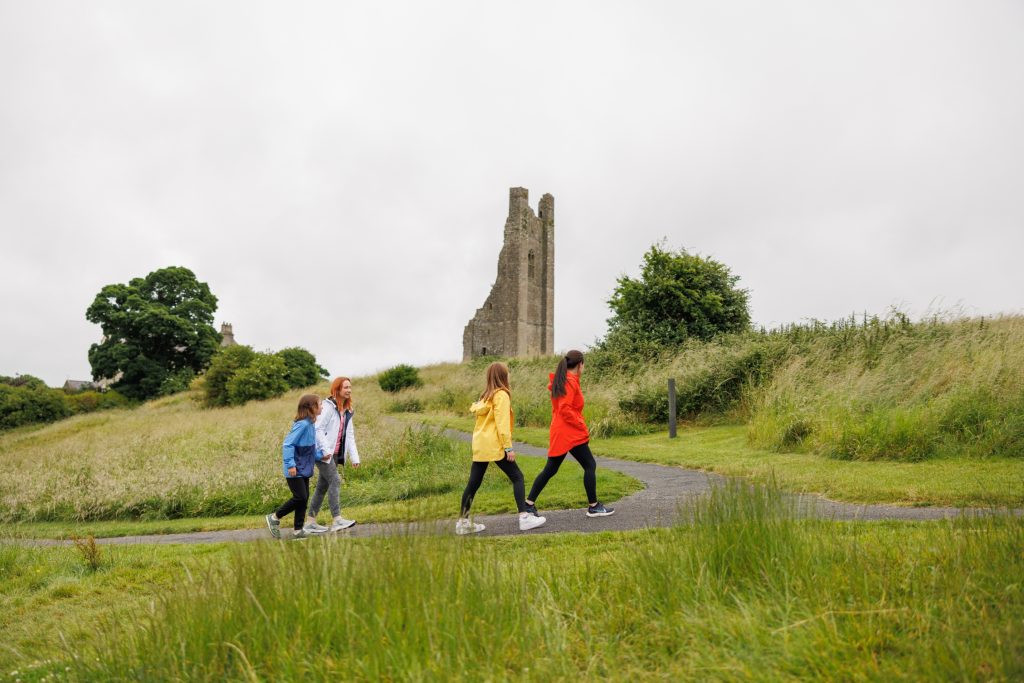
All-Inclusive Family Trips to Ireland - family walking up to Trim Castle

Why Families Love All-Inclusive Trips to Ireland

All-inclusive family trips to Ireland combine convenience, safety, and adventure. Parents enjoy the peace of mind that comes from having meals, lodging, and activities organized in advance, while children benefit from interactive, educational, and scenic experiences. From exploring castles to walking along the Cliffs of Moher or enjoying local culture, Ireland offers families a rich, authentic, and stress-free vacation.

Make Your Ireland Family Trip Truly Yours

At Brack Tours, we specialize in crafting bespoke family trips throughout Ireland, Scotland, and beyond. Whether you want to stay in a historic castle, explore scenic countryside, or design a multi-city itinerary filled with kid-friendly adventures, our team will tailor every detail to your family’s needs. From accommodations and meals to activities and transportation, Brack Tours ensures a stress-free, unforgettable experience: so your family can focus on making memories that last a lifetime.

Contact Brack Tours today to start planning your all-inclusive family adventure in Ireland.

Ireland’s 4 Main Celtic Festivals are deeply rooted in nature, rhythm, and tradition. Long before modern holidays, the ancient Celts marked the turning of the seasons with four major fire festivals.

What Are the Celtic Festivals of Ireland?

The four traditional Celtic festivals of Ireland are:

Samhain (November 1 – Start of Winter)
Imbolc (February 1 – Start of Spring)
Bealtaine (May 1 – Start of Summer)
Lughnasadh (August 1 – Start of Harvest)

These four quarter days divided the Celtic year and shaped Ireland’s spiritual, agricultural, and social calendar.

The Celtic Calendar in Ireland

The ancient Gaelic year did not follow the modern January–December structure. Instead, it revolved around agricultural cycles and seasonal transitions. The Celtic calendar divided the year into two halves, the light half and the dark half. The half is marked by fire festivals that honor nature, community, and survival.

Each festival signaled a seasonal shift and was celebrated with bonfires, rituals, feasting, and gatherings across the island.

1. Samhain (November 1 – Beginning of Winter)

Samhain (pronounced sow-in) marked the Celtic New Year and the beginning of winter. Celebrated at sunset on October 31 into November 1, it was considered a liminal time when the veil between worlds was thin.

Ancient Celts believed spirits could cross into the living world during Samhain. Large communal bonfires were lit for protection, livestock were brought in from summer pastures, and feasts prepared communities for the dark months ahead. Samhain is the origin of modern Halloween traditions, though its roots are far older and deeply spiritual.

Today, you can still experience echoes of Samhain traditions throughout Ireland. These experiences are especially prominent in rural communities where storytelling and seasonal rituals continue.

One of the most powerful modern celebrations inspired by Samhain is the Púca Festival, held annually in County Meath. Rooted in ancient mythology and named after the shape-shifting spirit said to roam freely at Samhain, the festival brings the Celtic New Year to life through fire ceremonies, folklore, music, and immersive cultural events. The Púca Festival reconnects visitors to Ireland’s original Halloween traditions.

Samhain Celtic Festival2. Imbolc (February 1 – Beginning of Spring)

Imbolc marked the first signs of spring and renewal. Celebrated on February 1, it honored the return of light and the lactation of sheep, which symbolized new life.

The festival became closely associated with Brigid of Kildare, blending pagan and Christian traditions. Today, February 1 is celebrated as St. Brigid’s Day in Ireland. Imbolc traditions included lighting candles, weaving St. Brigid’s crosses, and blessing homes for protection and fertility.

Imbolc represents hope. It marks the first subtle promise that winter would not last forever.

3. Bealtaine (May 1 – Beginning of Summer)

Bealtaine marked the start of summer and the light half of the year. It was one of the most significant fire festivals in ancient Ireland.

Large twin bonfires were lit, and cattle were driven between them for purification and protection. Communities gathered for music, matchmaking, and celebration. Bealtaine honored fertility, growth, and abundance. The festival celebrated both agricultural prosperity and human connection.

Modern May Day traditions in Ireland trace their origins back to Bealtaine.

Bealtaine Fire Celtic Festival4. Lughnasadh (August 1 – Beginning of Harvest)

Lughnasadh marked the beginning of the harvest season and was named after the Celtic god Lugh. It was a time of thanksgiving for the first crops of the year.

Communities held athletic competitions, trading fairs, matchmaking events, and ceremonial gatherings. One of the most famous traditional celebrations associated with Lughnasadh is the pilgrimage at Croagh Patrick, which continues today.

Lughnasadh reminded communities of the importance of gratitude, preparation, and shared abundance.

Why Do These Four Celtic Festivals Matter in Ireland Today

The four main Celtic festivals are more than historical footnotes. They shaped Ireland’s cultural identity, agricultural life, folklore, and spiritual worldview. Even today, modern Irish festivals, seasonal celebrations, and national holidays reflect the rhythms established by Samhain, Imbolc, Bealtaine, and Lughnasadh.

For travelers, understanding these four festivals provides a deeper appreciation of Ireland beyond castles and cliffs. They reveal how the Irish people have long lived in harmony with land, season, and storytelling.

Experience Ireland’s Celtic Heritage with Brack Tours

At Brack Tours, cultural heritage is not just something you see. It is something you experience. Whether you travel in autumn when Samhain traditions echo through ancient sites, or in spring when Ireland celebrates renewal, our expertly guided tours connect you to the authentic rhythms of Irish life.

Our small group tours explore historic landmarks, sacred landscapes, and vibrant communities where Celtic traditions still shape modern Ireland. If you want to understand Ireland’s ancient festivals, there is no better way than experiencing the island with local insight and meaningful storytelling.

Frequently Asked Questions

What are the 4 seasonal Celtic Irish festivals?

The four seasonal Celtic Irish festivals are Samhain (November 1), Imbolc (February 1), Bealtaine (May 1), and Lughnasadh (August 1).

What are the 4 festivals of Ireland in Celtic tradition?

In ancient Gaelic tradition, the four primary festivals dividing the year were Samhain, Imbolc, Bealtaine, and Lughnasadh.

What are the Celtic festivals in Ireland?

The major Celtic festivals in Ireland are Samhain (winter start), Imbolc (spring start), Bealtaine (summer start), and Lughnasadh (harvest start).

Ireland is a land defined by song. From seed-to-sea shanties to electrifying contemporary stages, Irish music permeates every corner of the island, both in cozy pubs and at world-class festivals. Whether you’re a traditional music lover, a festival-goer ready to dance, or a traveler looking for cultural immersion, Ireland’s lineup of music festivals has something unforgettable for you.

This guide highlights the biggest, most popular, and must-visit music festivals in Ireland. To better understand the roots of Ireland’s live music scene, explore our in-depth look at Irish music and pub culture guide.

What Makes Irish Music Festivals Special

Irish music is storytelling, community, and celebration. Festivals in Ireland blend ancient tradition with contemporary styles. Travelers consistently rank these events as some of the most memorable parts of visiting Ireland. Many festivals showcase:

  • Traditional Irish fiddling, sean-nós, and céilí sessions
  • Rock, indie, and international headliners
  • Community dance, food, and craft culture
  • Outdoor stages set against dramatic landscapes

Whether you’re into grassroots gigs or massive multi-day events, Ireland’s music festival scene has earned global fans.

Fleadh Ennis - Ireland music festivals1. Electric Picnic: Ireland’s Most Iconic Festival

Often regarded as Ireland’s biggest and most popular music festival, Electric Picnic consistently headlines as the premier multi-genre festival in the country. Held annually in Stradbally, County Laois, it showcases an impressive mix of international and Irish headliners spanning rock, pop, electronic, and indie genres.

Beyond the music, the festival experience includes immersive art installations, comedy stages, wellness areas, and themed villages that create a vibrant, community-driven atmosphere. Electric Picnic’s blend of music, creativity, and culture make it a bucket-list event for travelers from around the world. Electric Picnic is widely considered Ireland’s largest and most influential contemporary music festival.

2. Sea Sessions: Surf, Sun, and Sound Waves

Set along the golden beaches of Bundoran in County Donegal, Sea Sessions combines coastal energy with high-impact live performances. The festival features surfside stages, sunrise DJ sets, and a diverse lineup that spans EDM, indie, hip-hop, and urban acts. Its relaxed beach-party vibe, combined with camping and strong community spirit, has helped it grow into one of Ireland’s most energized and distinctive summer music festivals. For travelers seeking music with an Atlantic backdrop, Sea Sessions offers a uniquely Irish festival experience.

Sea Sessions Surf and Music Festival - Ireland music festivals3. Guinness Cork Jazz Festival: Ireland’s Legendary Jazz Celebration

For jazz enthusiasts and cultural travelers, the Guinness Cork Jazz Festival is a standout autumn event. Each year, Cork City transforms into a vibrant hub of sound as globally acclaimed artists and exceptional local talent perform across concert halls, theaters, and intimate pub venues. The festival extends beyond headline performances, creating an immersive atmosphere filled with workshops, street performances, and spontaneous sessions that celebrate Ireland’s rich musical heritage while embracing international jazz influences.

Guinness Cork Jazz Festival - Ireland music festival4. Lisdoonvarna Matchmaking Festival: Music, Dancing, and Folklore

Though best known for its centuries-old matchmaking tradition, the Lisdoonvarna Matchmaking Festival is also a lively celebration of Irish folk music and dance. Across multiple venues, visitors can enjoy traditional Irish musicians, energetic céilí dancing, and storytelling rooted in rural folklore. The welcoming, community-driven atmosphere makes it a uniquely Irish festival experience, blending music, heritage, and social connection in a way few other events can replicate.

5. Fleadh Cheoil na hÉireann: The World’s Largest Celebration of Irish Traditional Music

For travelers who want to experience the heart and soul of Irish traditional music, Fleadh Cheoil na hÉireann is an extraordinary cultural event. Organized annually by Comhaltas Ceoltóirí Éireann, the Fleadh is widely considered the largest traditional Irish music festival in the world, attracting hundreds of thousands of visitors each year.

The festival rotates between host towns across Ireland and features a week-long celebration of Irish culture. During the Fleadh, streets fill with musicians performing spontaneous sessions in pubs, cafés, and public squares. The official program includes competitions in traditional instruments, singing, and dance, alongside concerts, céilí dancing, cultural exhibitions, and workshops.

Unlike many modern music festivals, the Fleadh focuses on preserving and celebrating Ireland’s deep musical heritage. Visitors often describe the experience as a living soundtrack of Irish culture, where fiddles, flutes, bodhráns, and pipes echo through historic streets from morning until late at night.

For travelers seeking a deeper cultural immersion, the Fleadh offers an unforgettable opportunity to witness Irish music at its most authentic. Tours like Brack Tours’ Follow the Fleadh Irish Music & Culture Tour allow visitors to experience the festival alongside guided cultural exploration throughout Ireland.

Watch this video to understand the spirit, energy, and sense of community that make the Fleadh so unforgettable.

6. Other Must-See Irish Music Festivals

  • Puck Fair (Co. Kerry) — Ireland’s oldest fair and festival
  • Indiependence (Co. Cork) — A popular three-day rock and indie festival
  • Body & Soul (Co. Laois) — Art, music, and wellness in a boutique festival setting
  • Forbidden Fruit (Dublin) — Eclectic lineup in the heart of the capital
  • Galway International Arts Festival (Galway) — Music, theatre, and world culture

These festivals reflect the diversity of Ireland’s music scene, from grassroots sessions to contemporary headliners.

Festival Tips for Travelers

  • Book tickets early! Many Irish music festivals sell out months in advance.
  • Stay in towns near the venues. They often have the best access to local pub sessions and traditional music.
  • Combine with a music-themed tour. Ireland’s pub culture and live sessions make amazing add-ons to any festival itinerary!

Learn More About Irish Music & Pub Culture

To truly understand Ireland’s music festivals, it helps to know the story behind the music. Our guide to Irish Music and Pub Culture covers how traditional styles evolved, what sets Irish sessions apart, and where to find live music on every street corner in Ireland.

Ireland music festivalsFrequently Asked Questions

What is Ireland’s biggest music festival?

Ireland’s largest and most internationally recognized music festival is Electric Picnic, known for its diverse lineup and multi-day experience.

What are the biggest music festivals in Ireland?

Some of the biggest in terms of attendance and cultural influence include Electric Picnic, Sea Sessions, and the Cork Jazz Festival.

What is the largest Irish music festival in the world?

While Electric Picnic is Ireland’s largest domestic festival, Irish-themed music festivals also take place globally, especially in Irish diaspora communities in the U.S., Australia, and the U.K.

What is the most popular festival in Ireland?

Electric Picnic generally ranks as the most popular overall, though regional favorites like Sea Sessions and Cork Jazz Festival draw passionate followings.

What are the top 5 music festivals in Ireland?

A commonly referenced list includes:

  1. Electric Picnic
  2. Sea Sessions
  3. Cork Jazz Festival
  4. Lisdoonvarna Matchmaking Festival
  5. Fleadh Cheoil na hÉireann

What are the other top music experiences in Ireland?
Beyond large festivals, Ireland’s pub sessions, folk music nights, and traditional gatherings offer some of the richest musical experiences available to travelers.

Ready to Experience Ireland’s Music Scene?

From the roar of festival crowds to intimate pub sessions that feel like home, Ireland’s music scene is one of the most rewarding cultural landscapes in the world. Explore it with Brack Tours, where every trip comes with a soundtrack.