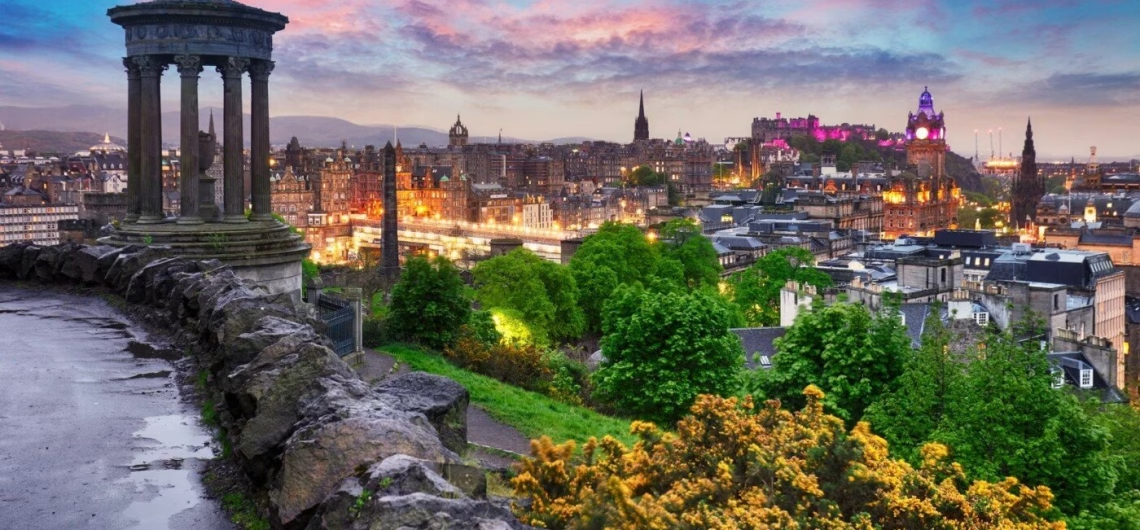
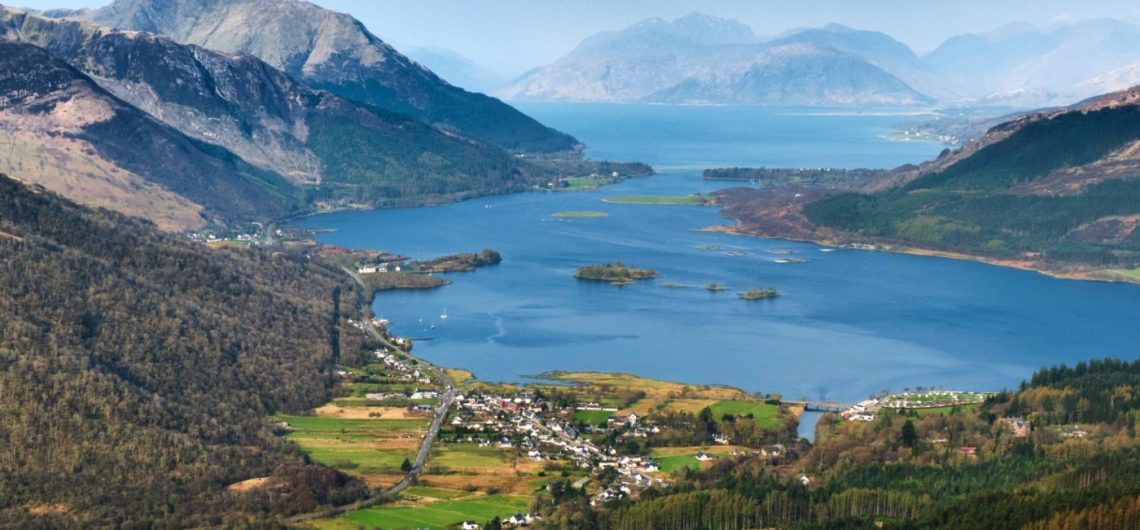
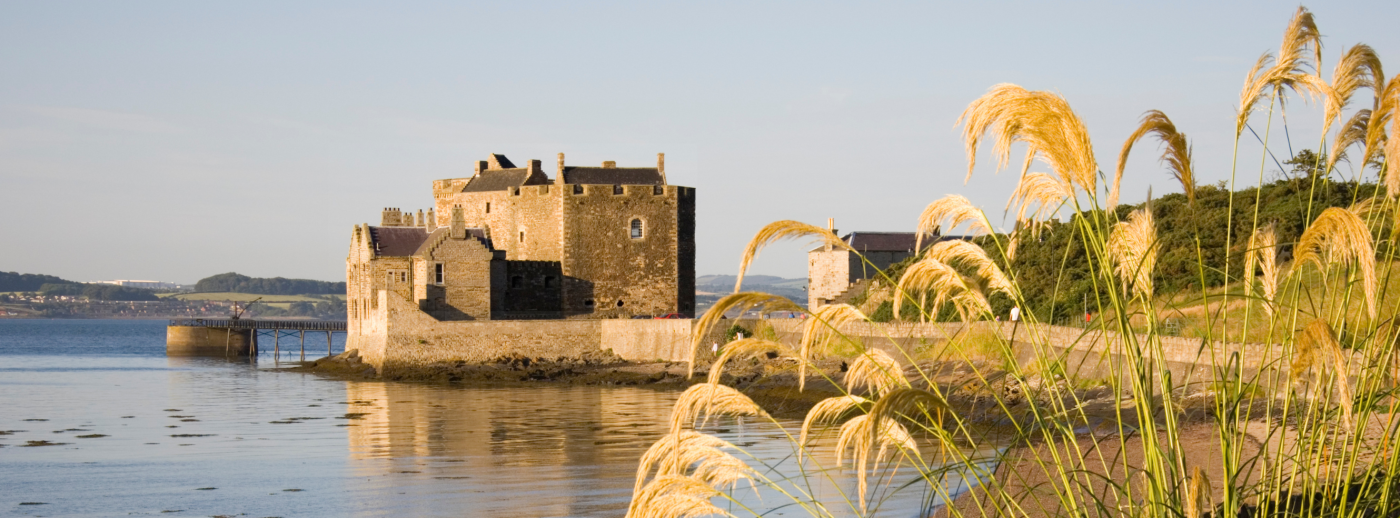
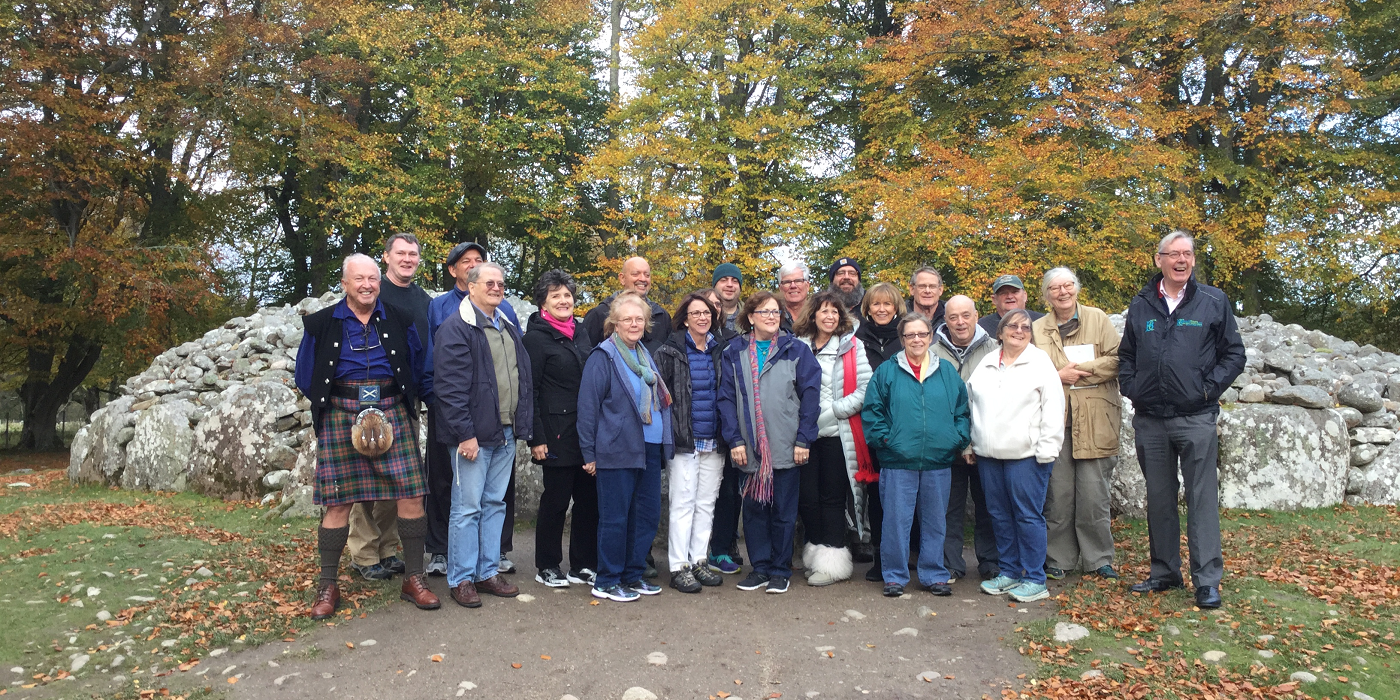
When most people think of Scottish lochs, Loch Ness and its mysterious monster often come to mind. But beyond the legends, Scotland is home to over 30,000 lochs—many of which offer even more breathtaking views, serenity, and unspoiled nature than the famous Nessie haunt.
If you are planning a trip and want to discover the best lochs in Scotland—without the crowds—here are some must-see gems that showcase the country’s raw beauty, history, and charm.
1. Loch Lomond – Scotland’s Most Picturesque Escape
Loch Lomond is often considered the most picturesque place in Scotland, and for good reason. As the largest inland stretch of water in the UK by surface area, it is surrounded by lush hills, quaint villages, and part of the Loch Lomond & The Trossachs National Park. Loch Lomond is a favorite destination for boating, walking trails, and tranquil lochside picnics.
Which is prettier, Loch Lomond or Loch Ness?
While Loch Ness is known for its deep, dark mystery, Loch Lomond is often seen as more visually stunning, with a wider variety of landscapes and wildlife. Travelers looking for scenic views and accessibility tend to favor Loch Lomond.
📍 Add to your Brack Tours itinerary: Consider a stop in Luss or Balmaha for scenic photos and walks.
2. Loch Shiel – A Harry Potter Favorite
Located in the Highlands near Glenfinnan, Loch Shiel is a long, narrow freshwater loch known for its cinematic beauty. It famously appeared in several Harry Potter films and offers iconic views of the Glenfinnan Viaduct and Monument.
What is the most picturesque place in Scotland?
Many would argue that the Glenfinnan viewpoint overlooking Loch Shiel ranks among the top. It blends history, myth, and stunning Highland scenery.
3. Loch Morlich – Scotland’s Cleanest and Most Family-Friendly Loch
Nestled in the Cairngorms National Park, Loch Morlich is surrounded by forested trails and sandy beaches; making it a popular choice for families and outdoor lovers.
What is the cleanest loch in Scotland?
Loch Morlich has received accolades for water quality and environmental care, regularly ranking among the cleanest lochs in Scotland. Its freshwater beach even holds a Blue Flag status—rare for an inland body of water.
4. Loch Tay – Deep Waters and Rich History
Set amidst rolling hills and ancient settlements, Loch Tay combines dramatic scenery with fascinating folklore. Loch Tay is a haven for kayaking, paddleboarding, and exploring reconstructed crannogs—ancient lake dwellings.
For those interested in Scottish history and adventure, Loch Tay delivers both in abundance.
5. Loch Awe – A Hidden Gem with Castle Views
True to its name, Loch Awe is one of Scotland’s longest lochs and is truly awe-inspiring. Dotted with ruins like Kilchurn Castle, its quiet shores and mirror-like waters are ideal for those seeking solitude and inspiration.
What are the five lochs in Scotland?
While there are thousands, five of the most popular lochs worth exploring are Loch Lomond, Loch Shiel, Loch Morlich, Loch Tay, and Loch Awe (And yes, Loch Ness too—but that’s for another list.)
Ready to Explore Scotland’s Most Beautiful Lochs?
At Brack Tours, we specialize in custom guided tours through Scotland’s Highlands, islands, and scenic landscapes. Whether you want to canoe on Loch Tay, hike around Loch Lomond, or just soak in the views with a dram in hand, we’ll help you plan the perfect journey.
As of January 8, 2025, U.S. citizens planning to visit or transit through the United Kingdom must obtain a UK ETA (Electronic Travel Authorization) before travel.This requirement applies to short stays of up to six months for purposes such as tourism, business, family visits, or short-term study.
Which countries require the UK ETA?
All United Kingdom countries require U.S. travelers to obtain the UK ETA before travel. Here are the countries affected:
England
Scotland
Wales
Northern Ireland
Meaning, you will need to ensure you have it before joining one of our fun and exciting Northern Ireland or Scotland vacation packages.
Who Needs the UK ETA?
Any traveler without a British or Irish passport is required to obtain the UK ETA before travel. This includes travelers transiting through UK airports.Each traveler, including children and infants, must have their own ETA.
Exemptions apply to individuals who:
Have permission to live, work, or study in the UK
Are traveling on official government business
How to Apply for an ETA
Applying for an ETA is a straightforward process:
Application Methods:
Use the official app, available on the Apple App Store and Google Play.
Personal information, including contact details and employment status
Answers to security-related questions
Processing Time:
Most applications are processed within three working days.
Some applicants may receive a decision within minutes.
Cost:
The ETA application fee is £20.00
Things to Note
Validity: An approved ETA is valid for two years or until your passport expires, whichever comes first.
Multiple Entries: The ETA allows for multiple entries into the UK during its validity period.
No Guarantee of Entry: While an ETA permits travel to the UK, it does not guarantee entry.Travelers must still satisfy UK border control requirements upon arrival.
Transit Passengers: U.S. citizens transiting through UK airports without passing through border control may still require an ETA, depending on their specific travel circumstances.
The introduction of the ETA system aligns the UK’s entry requirements with those of other countries, such as the United States’ ESTA program.U.S. travelers planning trips to the UK in 2025 and beyond should ensure they apply for an ETA well in advance of their travel dates to avoid any disruptions. For more detailed information and to begin your application, visit the official UK government website: gov.uk/eta. Our team looks forward to welcoming you to Northern Ireland and Scotland!
Travel Beautifully, Leave Only Footprints – Embrace Sustainable Touring Across Ireland & Scotland At Brack Tours, we believe in the power of travel to inspire, connect, and transform—not only our travellers but the places they visit. As guardians of the breathtaking landscapes and vibrant cultures of Ireland and Scotland, we’re passionate about ensuring these lands remain as beautiful tomorrow as they are today. That’s why we’re committed to offering sustainable travel experiences that celebrate heritage, support local communities, and tread lightly on the environment. Why Sustainable Travel Matters Ireland and Scotland boast some of the most unspoiled coastlines, lush green valleys, and ancient historical landmarks in Europe. But like many popular travel destinations, they face growing pressures from over-tourism, climate change, and environmental degradation. Sustainable travel is more than a trend—it’s a necessity. It’s about making thoughtful choices that benefit both the traveller and the local communities. From conserving natural resources to preserving cultural traditions, sustainable tourism helps protect what makes Ireland and Scotland so unique. How Brack Tours Champions Sustainability We’ve woven sustainability into the heart of our operations. Here’s how we’re making a difference: 1. Small Group Tours with a Big Impact Our tours are intentionally kept small and intimate, reducing the environmental footprint of group travel while fostering deeper connections with people and places. Smaller groups mean less strain on local infrastructure and a more authentic experience for our guests. 2. Locally Owned Accommodations & Guides We prioritise family-run hotels, B&Bs, and locally owned businesses. Not only does this ensure you get a warm and genuine welcome, but it also supports local economies and sustains cultural heritage. Our expert guides are locals who offer deep insights into the history and traditions of each area—knowledge that simply can’t be found in guidebooks. 3. Low-Impact Travel Choices Brack Tours
Travel Beautifully, Leave Only Footprints – Embrace Sustainable Touring Across Ireland & Scotland
At Brack Tours, we believe in the power of travel to inspire, connect, and transform—not only our travellers but the places they visit. As guardians of the breathtaking landscapes and vibrant cultures of Ireland and Scotland, we’re passionate about ensuring these lands remain as beautiful tomorrow as they are today. That’s why we’re committed to offering sustainable travel experiences that celebrate heritage, support local communities, and tread lightly on the environment.
Why Sustainable Travel Matters
Ireland and Scotland boast some of the most unspoiled coastlines, lush green valleys, and ancient historical landmarks in Europe. But like many popular travel destinations, they face growing pressures from over-tourism, climate change, and environmental degradation. Sustainable travel is more than a trend—it’s a necessity. It’s about making thoughtful choices that benefit both the traveller and the local communities.
From conserving natural resources to preserving cultural traditions, sustainable tourism helps protect what makes Ireland and Scotland so unique.
How Brack Tours Champions Sustainability
We’ve woven sustainability into the heart of our operations. Here’s how we’re making a difference:
1. Small Group Tours with a Big Impact
Our tours are intentionally kept small and intimate, reducing the environmental footprint of group travel while fostering deeper connections with people and places. Smaller groups mean less strain on local infrastructure and a more authentic experience for our guests.
2. Locally Owned Accommodations & Guides
We prioritise family-run hotels, B&Bs, and locally owned businesses. Not only does this ensure you get a warm and genuine welcome, but it also supports local economies and sustains cultural heritage. Our expert guides are locals who offer deep insights into the history and traditions of each area—knowledge that simply can’t be found in guidebooks.
3. Low-Impact Travel Choices
Brack Tours promotes travel by eco-friendly coaches for group tours, helping reduce carbon emissions compared to multiple rental cars. Where possible, we incorporate walking tours, nature trails, and heritage sites that encourage travellers to slow down and savour the landscape, rather than rush from landmark to landmark.
4. Farm-to-Table Dining Experiences
We’re proud to offer itineraries that include traditional meals made with fresh, local ingredients. Supporting sustainable agriculture and local producers allows travellers to enjoy the finest flavours of Ireland and Scotland—while reducing food miles.
5. Heritage Conservation Support
Many of our tours include visits to castles, cathedrals, and historic sites, often managed by conservation trusts. By including these sites in our itineraries, we help fund the ongoing preservation of these landmarks through entry fees and donations. Such sites are run by the following organizations: Office of Public Works (OPW), National Trust & Historic Environment Scotland.
6. Authentic Farm Visits that Support Rural Life
At Brack Tours, we include special stops at working farms to connect travellers with the rural heart of Ireland and Northern Ireland. These visits offer a unique glimpse into traditional ways of life while supporting sustainable agriculture and local families.
One such highlight is Glenshane Country Farm in the scenic Sperrin Mountains of Northern Ireland. Here, you’ll witness expert sheepdog demonstrations, learn about life on a hill farm, and enjoy genuine hospitality in a breathtaking setting.
By visiting farms like Glenshane, travellers help sustain rural economies, preserve agricultural traditions, and support low-impact, land-based livelihoods that have existed for generations.
These farm visits are not only educational and engaging—they’re a powerful way to travel responsibly and give back to the communities that make Ireland and Scotland so special.
Tips for Travelling Sustainably with Brack Tours
Pack reusable essentials: Bring your own refillable water bottle, tote bag, and travel mug.
Respect local customs and natural sites: Stay on marked trails, take only photographs, and engage respectfully with local cultures.
Offset your carbon footprint: Consider donating to a verified carbon offset project that supports reforestation or renewable energy.
Support artisans and makers: Buy locally crafted souvenirs to help preserve traditional skills and keep money in the local economy.
Embrace Public Transport & Hop-On Hop-Off Tours
One of the easiest and most eco-friendly ways to explore cities in Ireland, Scotland, and Northern Ireland is by using public transport and hop-on hop-off bus tours. These options not only reduce carbon emissions compared to private vehicles but also give you the flexibility to explore at your own pace—perfect for free days built into your Brack Tours itinerary.
These options align beautifully with Brack Tours’ mission to promote responsible, flexible travel, especially during city stays where large vehicles aren’t needed. Ask your tour guide for the best stops or travel cards to make the most of these services.
Join Us in Making a Difference
Sustainable travel is about creating positive change—for yourself, for the people you meet, and for the planet. Whether you’re exploring the windswept cliffs of Donegal, wandering through the cobbled streets of Edinburgh, or soaking in the serenity of the Scottish Highlands, Brack Tours is here to guide you every step of the way.
Let’s journey through Ireland and Scotland in a way that honours the land, uplifts communities, and inspires future generations of travellers.
Ready to Travel More Thoughtfully? Visit bracktours.com and discover our eco-conscious itineraries for Ireland & Scotland today.
When planning a trip to Scotland, one of the most common questions travelers ask is: Should I visit Glasgow or Edinburgh? Scotland’s two biggest cities are only an hour apart, but they feel worlds apart in personality. Whether you're drawn to ancient castles or street art, royal history or live music, understanding what makes each city unique will help you choose—or better yet, decide to see both. Let’s break it down in this ultimate head-to-head showdown: Glasgow vs. Edinburgh. Is it better to visit Glasgow or Edinburgh? This is the big one—and the answer depends on what you’re looking for. If you want historic charm, grand landmarks, and a classic “Scottish postcard” vibe, Edinburgh is the city for you. It's the capital of Scotland and home to Edinburgh Castle, Holyrood Palace, the dramatic Royal Mile, and the iconic volcanic peak Arthur’s Seat. It’s perfect for first-time visitors or those who love architecture, history, and tradition. If you’re drawn to contemporary culture, vibrant nightlife, and a warm, authentic city atmosphere, Glasgow might be your winner. Scotland’s largest city is packed with art galleries, live music venues, quirky bars, and an unmistakably cool energy. Glasgow feels less touristy, more local, and incredibly alive. Verdict: Edinburgh is ideal for history and heritage. Glasgow shines for energy and culture. Can’t decide? Visit both—they’re only 50 minutes apart by train! Is Glasgow prettier than Edinburgh? This is a popular debate with no easy answer. Edinburgh is often considered one of the most beautiful cities in Europe. With its medieval Old Town, Georgian New Town, and skyline dominated by Edinburgh Castle, it’s visually stunning. You can wander cobbled streets, explore secret closes, and enjoy sweeping views from Calton Hill or Arthur’s Seat. Glasgow doesn’t fit the traditional mold of beauty—but that’s what makes it special. Its
When planning a trip to Scotland, one of the most common questions travelers ask is: Should I visit Glasgow or Edinburgh?
Scotland’s two biggest cities are only an hour apart, but they feel worlds apart in personality. Whether you’re drawn to ancient castles or street art, royal history or live music, understanding what makes each city unique will help you choose—or better yet, decide to see both.
Let’s break it down in this ultimate head-to-head showdown: Glasgow vs. Edinburgh.
Is it better to visit Glasgow or Edinburgh?
This is the big one—and the answer depends on what you’re looking for.
If you want historic charm, grand landmarks, and a classic “Scottish postcard” vibe, Edinburgh is the city for you. It’s the capital of Scotland and home to Edinburgh Castle, Holyrood Palace, the dramatic Royal Mile, and the iconic volcanic peak Arthur’s Seat. It’s perfect for first-time visitors or those who love architecture, history, and tradition.
If you’re drawn to contemporary culture, vibrant nightlife, and a warm, authentic city atmosphere, Glasgow might be your winner. Scotland’s largest city is packed with art galleries, live music venues, quirky bars, and an unmistakably cool energy. Glasgow feels less touristy, more local, and incredibly alive.
Verdict: Edinburgh is ideal for history and heritage. Glasgow shines for energy and culture. Can’t decide? Visit both—they’re only 50 minutes apart by train!
Glasgow, Scotland
Is Glasgow prettier than Edinburgh?
This is a popular debate with no easy answer.
Edinburgh is often considered one of the most beautiful cities in Europe. With its medieval Old Town, Georgian New Town, and skyline dominated by Edinburgh Castle, it’s visually stunning. You can wander cobbled streets, explore secret closes, and enjoy sweeping views from Calton Hill or Arthur’s Seat.
Glasgow doesn’t fit the traditional mold of beauty—but that’s what makes it special. Its Victorian architecture, mural trail, lush parks, and art deco gems give it a different kind of charm. It’s grittier, more eclectic, and constantly evolving.
Verdict: Edinburgh is classically beautiful. Glasgow is artistically edgy. One’s a fairytale; the other’s a canvas.
Is the weather better in Glasgow or Edinburgh?
Both cities experience Scotland’s famously unpredictable weather—but there are a few key differences.
Edinburgh, on the east coast, is generally drier and a bit sunnier, though it can also feel colder and windier, especially near the coast or up in the hills.
Glasgow, on the west coast, sees more rain throughout the year, but it also tends to be warmer, particularly in the winter months.
Verdict: Edinburgh is slightly better for dry days. Glasgow wins on warmth. Either way, bring layers and a waterproof jacket!
Is Glasgow colder than Edinburgh?
This is a common assumption—but actually, Glasgow is usually a little warmer than Edinburgh, especially in winter.
That said, Glasgow also gets more rain, which might make it feel cooler if you’re caught in a drizzle. Edinburgh’s winds off the North Sea can also pack a chill, particularly in higher parts of the city.
Verdict: Glasgow is technically warmer, but both cities require a good coat and a sense of humor when it comes to weather.
Edinburgh, Scotland
Is there a rivalry between Edinburgh and Glasgow?
Absolutely—and it’s all part of the fun.
Locals from each city enjoy playful banter about which is better. Edinburgh is often viewed as more refined, elegant, and formal, while Glasgow embraces its reputation as bold, cheeky, and down-to-earth. The rivalry shows up in football, festivals, and even in how people pronounce “garage.”
But beneath the jokes is a shared pride in Scotland’s identity. Many Scots love both cities for different reasons—and visiting both gives you the full picture of modern Scottish life.
Verdict: The rivalry is real, but it’s friendly. You’ll appreciate the contrast—and the character—in each.
Final Thoughts: Glasgow vs. Edinburgh – Who Wins?
There’s no single winner—just two incredible cities that highlight the diversity of Scotland.
Choose Edinburgh if you:
Love medieval history and castles
Want classic architecture and iconic landmarks
Prefer a more polished and romantic atmosphere
Choose Glasgow if you:
Crave a modern, creative city vibe
Want to explore live music, street art, and local pubs
Enjoy connecting with locals and experiencing authentic city life
If you’re short on time, think about what inspires you most: castles and cobblestones, or murals and music? But if you have a few extra days, the best decision is to visit both.
And with Brack Tours, that’s easy. We can create a custom itinerary that lets you explore Edinburgh, Glasgow, and everything in between, from whisky distilleries and lochs to historic castles and charming villages.
Explore Both Sides of Scotland with Brack Tours
Let our team help you plan the perfect Scottish adventure—whether it’s your first trip or your fifth. With expertly crafted tours, flexible itineraries, and local insights, Brack Tours is your guide to Scotland’s rich history, vibrant culture, and unforgettable cities.
📧 Get in touch today to start planning your Scotland tour. 🌍www.bracktours.com
Visiting Scotland for the first time? Prepare to be swept away by rugged landscapes, ancient castles, rich traditions, and welcoming locals. To ensure your trip is as memorable as possible, we’ve created this guide with all the essential tips and top experiences to help you plan Scotland for first time visitors. When to Visit Scotland Scotland’s beauty shifts with the seasons, so the best time to visit depends on your preferences: Spring (March-May): Blooming flowers, lambs in the countryside, and moderate weather. Summer (June-August): Long days (up to 17 hours of daylight!), lively festivals, and warmer temperatures. Autumn (September-November): Crisp air, spectacular foliage, and fewer tourists. Winter (December-February): Snow-dusted Highlands, cozy pubs, and festive markets. Top Places to Visit in Scotland Scotland offers an array of destinations, each with its unique charm: Edinburgh: Tour the iconic Edinburgh Castle, stroll along the Royal Mile, and explore the mysterious underground vaults. Glasgow: Scotland’s largest city is known for its vibrant arts scene, Victorian architecture, and fantastic food. The Highlands: Experience the dramatic beauty of Glencoe, Loch Ness, and Cairngorms National Park. Isle of Skye: Famous for its rugged landscapes, Fairy Pools, and quaint villages. Stirling: Home to Stirling Castle and the Wallace Monument, key landmarks in Scotland’s history. How to Get Around Scotland Rent a Car: Best for exploring the Highlands, Isle of Skye, and remote areas. Remember, they drive on the left! Public Transport: Trains and buses are great for connecting major cities and towns. Guided Tours: A stress-free way to visit Scotland’s must-see locations and learn about its history. What to Pack for Scotland The weather in Scotland is famously unpredictable, so pack for all seasons: A warm, waterproof jacket and layers. Comfortable walking boots for exploring the countryside. A power adapter (Type G plug). Reusable water bottle (tap water
Visiting Scotland for the first time? Prepare to be swept away by rugged landscapes, ancient castles, rich traditions, and welcoming locals. To ensure your trip is as memorable as possible, we’ve created this guide with all the essential tips and top experiences to help you plan Scotland for first time visitors.
When to Visit Scotland
Scotland’s beauty shifts with the seasons, so the best time to visit depends on your preferences:
Spring (March-May): Blooming flowers, lambs in the countryside, and moderate weather.
Summer (June-August): Long days (up to 17 hours of daylight!), lively festivals, and warmer temperatures.
Autumn (September-November): Crisp air, spectacular foliage, and fewer tourists.
Winter (December-February): Snow-dusted Highlands, cozy pubs, and festive markets.
Top Places to Visit in Scotland
Scotland offers an array of destinations, each with its unique charm:
Edinburgh: Tour the iconic Edinburgh Castle, stroll along the Royal Mile, and explore the mysterious underground vaults.
Glasgow: Scotland’s largest city is known for its vibrant arts scene, Victorian architecture, and fantastic food.
The Highlands: Experience the dramatic beauty of Glencoe, Loch Ness, and Cairngorms National Park.
Isle of Skye: Famous for its rugged landscapes, Fairy Pools, and quaint villages.
Stirling: Home to Stirling Castle and the Wallace Monument, key landmarks in Scotland’s history.
How to Get Around Scotland
Rent a Car: Best for exploring the Highlands, Isle of Skye, and remote areas. Remember, they drive on the left!
Public Transport: Trains and buses are great for connecting major cities and towns.
Guided Tours: A stress-free way to visit Scotland’s must-see locations and learn about its history.
What to Pack for Scotland
The weather in Scotland is famously unpredictable, so pack for all seasons:
A warm, waterproof jacket and layers.
Comfortable walking boots for exploring the countryside.
A power adapter (Type G plug).
Reusable water bottle (tap water is safe and delicious).
Must-Do Experiences in Scotland
Explore Castles and History
Scotland boasts more than 2,000 castles! Some highlights include:
Edinburgh Castle: Perched on Castle Rock with panoramic city views.
Urquhart Castle: A medieval ruin on the banks of Loch Ness.
Eilean Donan Castle: A fairytale-like castle on a small island in the Highlands.
St. Andrews Cathedral: Explore the ruins of Scotland’s largest medieval church.
Indulge in Scottish Cuisine and Whisky
Haggis: Scotland’s national dish, best enjoyed with “neeps and tatties” (turnips and potatoes).
Seafood: Feast on fresh scallops, salmon, or Arbroath Smokies.
Whisky Distilleries: Visit famous distilleries like Glenfiddich, Talisker, or Laphroaig to sample Scotland’s “water of life.”
Afternoon Tea: Treat yourself to this quintessential British experience, often served in elegant settings.
Immerse Yourself in Nature
Loch Ness: Search for Nessie, Scotland’s mythical creature, while enjoying the serene waters.
Ben Nevis: Hike Britain’s highest peak or admire it from below.
Cairngorms National Park: Perfect for outdoor adventures like hiking, skiing, or wildlife spotting.
Dive into Scottish Culture
Ceilidh Dancing: Join a lively traditional Scottish dance at local gatherings.
Highland Games: Watch incredible feats of strength like caber tossing (held during summer).
Tartan Shopping: Pick up a scarf or kilt in your family tartan pattern from authentic shops.
Embark on Scenic Journeys
Jacobite Steam Train: Known as the Hogwarts Express, this train ride offers breathtaking views from Fort William to Mallaig.
The North Coast 500: Scotland’s ultimate road trip takes you through stunning coastal scenery.
Ferry to the Isles: Visit the Inner and Outer Hebrides for a taste of remote island life.
Cultural Tips for First-Time Visitors
Warm Hospitality: Scots are incredibly friendly—don’t hesitate to chat with locals for recommendations.
Tipping: A 10-15% tip is customary in restaurants, but not in pubs.
Language: English is the main language, though you may hear Gaelic in certain areas.
Top Travel Tips for Scotland
Currency: Scotland uses the British Pound (GBP).
Weather Awareness: Carry layers and prepare for rain, even on sunny days.
Plan Ahead: Book popular attractions like Edinburgh Castle and the Jacobite Steam Train in advance.
Travel Insurance: Always a good idea for peace of mind.
Final Thoughts: Discover Scotland’s Magic
A trip to Scotland for first-time visitors is an unforgettable journey through breathtaking landscapes, rich traditions, and warm hospitality. Whether you’re exploring historic castles, sampling world-class whisky, or losing yourself in the beauty of the Highlands, Scotland offers something magical for every traveler.
If you’re a fan of the Netflix show Outlander, the sweeping historical drama based on the novels by Diana Gabaldon, you already know that the breathtaking scenery plays as much of a role in the series as the characters themselves. Much of the show, which spans centuries and continents, is filmed in Scotland, showcasing its natural beauty and historical landmarks. If you're planning a trip inspired by the show, this guide to Netflix's Outlander filming locations in Scotland will take you on a journey through time and the stunning landscapes that serve as the backdrop for Claire and Jamie’s epic love story. Doune Castle (Castle Leoch) One of the first Outlander filming locations in Scotland to make an appearance, Doune Castle, stands in for Castle Leoch. The seat of Clan MacKenzie. Located near Stirling, this medieval fortress offers visitors the chance to explore a well-preserved piece of Scottish history. Fans of the series will recognize the grand stone walls and courtyard from scenes involving the powerful MacKenzie clan. Doune Castle is also a popular spot for fans of Game of Thrones and Monty Python and the Holy Grail, making it a multi-fandom must-see! Culross (Cranesmuir Village) The picturesque village of Culross in Fife stands in for Cranesmuir, the village where Geillis Duncan lived. With its cobbled streets and whitewashed houses, this charming 17th-century town feels like you’ve stepped straight onto the Outlander set. Wander through the town’s winding streets, visit the beautiful Culross Palace, and enjoy views over the River Forth. Fans will instantly recognize Geillis’s home and the village square from Season 1. Blackness Castle (Fort William) Blackness Castle, located on the south shore of the Firth of Forth, is another iconic Outlander filming location. In the series, it doubles as Fort William, the base of the villainous Black
If you’re a fan of the Netflix show Outlander, the sweeping historical drama based on the novels by Diana Gabaldon, you already know that the breathtaking scenery plays as much of a role in the series as the characters themselves. Much of the show, which spans centuries and continents, is filmed in Scotland, showcasing its natural beauty and historical landmarks. If you’re planning a trip inspired by the show, this guide to Netflix’s Outlander filming locations in Scotland will take you on a journey through time and the stunning landscapes that serve as the backdrop for Claire and Jamie’s epic love story.
Doune Castle (Castle Leoch)
One of the first Outlander filming locations in Scotland to make an appearance, Doune Castle, stands in for Castle Leoch. The seat of Clan MacKenzie. Located near Stirling, this medieval fortress offers visitors the chance to explore a well-preserved piece of Scottish history. Fans of the series will recognize the grand stone walls and courtyard from scenes involving the powerful MacKenzie clan. Doune Castle is also a popular spot for fans of Game of Thrones and Monty Python and the Holy Grail, making it a multi-fandom must-see!
Culross (Cranesmuir Village)
The picturesque village of Culross in Fife stands in for Cranesmuir, the village where Geillis Duncan lived. With its cobbled streets and whitewashed houses, this charming 17th-century town feels like you’ve stepped straight onto the Outlander set. Wander through the town’s winding streets, visit the beautiful Culross Palace, and enjoy views over the River Forth. Fans will instantly recognize Geillis’s home and the village square from Season 1.
Blackness Castle (Fort William)
Blackness Castle, located on the south shore of the Firth of Forth, is another iconic Outlander filming location. In the series, it doubles as Fort William, the base of the villainous Black Jack Randall. This imposing fortress has been called “the ship that never sailed” because of its ship-like appearance when viewed from the sea. A visit here allows you to walk in the footsteps of the characters, particularly during intense scenes involving Jamie Fraser’s brutal imprisonment.
Falkland (Inverness)
Falkland, a quaint town in Fife, represents 1940s Inverness in Outlander. The opening scenes of the first episode, where Claire and Frank stay in a cozy guesthouse, were filmed here. Falkland is a perfect stop for fans wanting to experience the Highlands’ charm while seeing locations such as the Bruce Fountain, where Jamie’s ghost is seen watching Claire from afar. While wandering through Falkland’s narrow streets, you can soak in the vintage ambiance of the town that played a pivotal role in the show.
Midhope Castle (Lallybroch)
For many Outlander fans, a visit to Midhope Castle, better known as Lallybroch, is the highlight of their trip. The dilapidated castle exterior is used to represent Jamie Fraser’s ancestral home, Lallybroch. Located on the Hopetoun Estate, about 30 minutes from Edinburgh, Midhope Castle is a private property. Though visitors can access it with a special permit. Stepping onto the grounds of this historic location is sure to evoke memories of the Fraser family’s trials and triumphs.
Glencoe (Opening Credits)
The dramatic scenery of Glencoe is featured in the opening credits of Outlander and serves as a symbol of the rugged beauty of the Scottish Highlands. Known for its sweeping valleys, towering mountains, and turbulent history, Glencoe is a natural paradise for hiking and outdoor enthusiasts. Even if you’re not an Outlander fan, Glencoe’s scenery will take your breath away. However, for fans of the show, standing in this iconic location offers a deeper connection to the world of Claire and Jamie.
Hopetoun House (Duke of Sandringham’s Residence)
Another standout location is Hopetoun House, a grand stately home located just outside Edinburgh. It features as the residence of the Duke of Sandringham in the show and is used as a backdrop for various aristocratic scenes throughout the series. The magnificent interiors and sweeping grounds offer visitors a taste of Scotland’s grandeur. Guided tours are available to explore the elegant rooms and gardens, perfect for fans wanting to immerse themselves in the world of Outlander.
Linlithgow Palace (Wentworth Prison)
Fans of the darker moments in Outlander will recognize Linlithgow Palace as the infamous Wentworth Prison, where Jamie is tortured and held captive by Black Jack Randall. Despite its grim role in the series, Linlithgow Palace itself is a stunning example of medieval architecture. Once the royal residence of the Stewart kings, this ruin offers fascinating insights into Scotland’s past. As you explore the grounds, you can imagine the tense scenes that unfolded here on screen.
Clava Cairns (Craig na Dun)
While the mystical standing stones of Craig na Dun are a key plot point in Outlander, the actual stones don’t exist. However, fans can visit Clava Cairns. An ancient burial site near Inverness that closely resembles the fictional stones from the show. This atmospheric site feels like a place where time travel might just be possible. With its stone circles and cairns. Visiting Clava Cairns is a magical experience, whether you’re hoping to be transported to the 18th century or simply want to soak in the mystical energy of the location.
Planning Your Outlander Pilgrimage
Scotland is a country rich in history. Visiting these Outlander filming locations in Scotland allows fans to connect with the show while exploring real-life Scottish landmarks. Many of these locations offer guided tours. Giving you insider details on how the series was filmed and the historical significance of the sites. Whether you’re strolling through the cobbled streets of Culross, exploring the ruins of Linlithgow Palace, or marveling at the natural beauty of Glencoe, each location adds another layer to your Outlander experience.
As Outlander continues to captivate viewers on Netflix, these stunning Scottish locations will only grow in popularity. So, pack your bags, don your tartan, and get ready for an unforgettable journey through Outlander’s Scotland!
Scotland is renowned for its breathtaking landscapes, dramatic coastlines, and an impressive number of castles that showcase its rich and often turbulent history. These architectural treasures are among the top 10 castles in Scotland, offering glimpses into the country’s past filled with royalty, warfare, and myth. If you're planning a visit, make sure these ten must-see castles are on your itinerary. 1. Edinburgh Castle – Scotland’s Most Iconic Fortress Perched above the capital on Castle Rock, Edinburgh Castle is Scotland’s most iconic fortress. With a history spanning more than 1,000 years, it has witnessed royal ceremonies, brutal battles, and historic sieges—making it an essential stop on any tour of the top 10 castles in Scotland. The castle houses some of the country’s most treasured artifacts, including the Crown Jewels of Scotland and the Stone of Destiny, which was used in the coronation of Scottish kings. Why it’s one of the top 10 castles in Scotland: Its commanding location, deep historical significance, and breathtaking city views. 2. Stirling Castle – A Key Stronghold in Scottish History Stirling Castle was once the principal royal residence of the Stewart monarchs and played a vital role during the Wars of Scottish Independence. This earned its reputation as one of the most strategically important and top 10 castles in Scotland. Its hilltop position offers commanding views over the surrounding countryside, including the historic site of the Battle of Bannockburn. Inside the castle, visitors can explore elaborately restored rooms, which have been meticulously recreated to reflect Renaissance grandeur. Top highlight: The Unicorn Tapestries and the beautifully restored Royal Palace. 3. Eilean Donan Castle – A Postcard-Perfect Highland Landmark Located at the picturesque meeting point of three sea lochs—Loch Duich, Loch Long, and Loch Alsh—Eilean Donan Castle is widely regarded as one of the most iconic and most
Scotland is renowned for its breathtaking landscapes, dramatic coastlines, and an impressive number of castles that showcase its rich and often turbulent history. These architectural treasures are among the top 10 castles in Scotland, offering glimpses into the country’s past filled with royalty, warfare, and myth. If you’re planning a visit, make sure these ten must-see castles are on your itinerary.
1. Edinburgh Castle – Scotland’s Most Iconic Fortress
Perched above the capital on Castle Rock, Edinburgh Castle is Scotland’s most iconic fortress. With a history spanning more than 1,000 years, it has witnessed royal ceremonies, brutal battles, and historic sieges—making it an essential stop on any tour of the top 10 castles in Scotland. The castle houses some of the country’s most treasured artifacts, including the Crown Jewels of Scotland and the Stone of Destiny, which was used in the coronation of Scottish kings.
Why it’s one of the top 10 castles in Scotland: Its commanding location, deep historical significance, and breathtaking city views.
Edinburgh Castle from Princes Street Gardens
2. Stirling Castle – A Key Stronghold in Scottish History
Stirling Castle was once the principal royal residence of the Stewart monarchs and played a vital role during the Wars of Scottish Independence. This earned its reputation as one of the most strategically important and top 10 castles in Scotland. Its hilltop position offers commanding views over the surrounding countryside, including the historic site of the Battle of Bannockburn. Inside the castle, visitors can explore elaborately restored rooms, which have been meticulously recreated to reflect Renaissance grandeur.
Top highlight: The Unicorn Tapestries and the beautifully restored Royal Palace.
Stirling Castle seen from Kings Park
3. Eilean Donan Castle – A Postcard-Perfect Highland Landmark
Located at the picturesque meeting point of three sea lochs—Loch Duich, Loch Long, and Loch Alsh—Eilean Donan Castle is widely regarded as one of the most iconic and most photographed castles in the world. Surrounded by dramatic Highland scenery and accessed by a charming stone footbridge, the castle has captured imaginations for centuries. It has appeared in countless films, including Highlander and The World Is Not Enough, making it a must-visit when exploring the top 10 castles in Scotland. Inside, visitors can explore period-style rooms, clan artifacts, and exhibits that bring Scottish history to life.
Top highlight: Iconic stone bridge, Highland setting, and restored interior rooms.
Eilean Donan Castle at night
4. Urquhart Castle – A Loch Ness Icon
Urquhart Castle overlooks the mysterious waters of Loch Ness, combining sweeping views with centuries of legend. Though partially in ruins, its tower and surviving medieval structures make it one of the top 10 castles in Scotland to explore. While you are there, try spotting Nessie from the iconic Grant Tower.
Top highlight: Panoramic views from Grant Tower and a possible Nessie sighting.
Urquhart Castle, a ruin, is located beside Loch Ness in Scottish Highlands.
5. Glamis Castle – Royal Roots and Haunted Legends
Glamis Castle is a storybook estate steeped in royal history, known as the childhood home of the Queen Mother and birthplace of Princess Margaret. With its grand architecture and legendary hauntings, it stands out as one of the top 10 castles in Scotland for those interested in aristocratic heritage and folklore.
Must-see highlight: The beautifully furnished rooms and extensive art collection.
Glamis Castle, North of Dundee, Angus
6. Balmoral Castle – A Royal Retreat in the Highlands
Privately owned by the British royal family since 1852, Balmoral Castle is their official summer residence in Scotland. While still a private home, its gardens and ballroom are open to the public during select months, offering a rare glimpse into royal life.
Must-see highlight: The seasonal floral displays in the gardens during open months.
Balmoral Castle and Gardens
7. Dunnottar Castle – A Coastal Cliffside Fortress
Dunnottar Castle sits high above the North Sea on a rugged cliffside, surrounded by steep drops and crashing waves. Its dramatic ruins, once a stronghold for Scottish nobility, offer a hauntingly beautiful glimpse into the past. With its striking views and storied history, it’s easily one of the top 10 castles in Scotland to explore.
Top highlight: Its cinematic location and stories of secret treasures.
Dunnottar Castle
8. Inveraray Castle – Seat of the Clan Campbell
Located on the shores of Loch Fyne, Inveraray Castle is a Gothic revival treasure and the ancestral home of the Duke of Argyll. Visitors can explore lavish state rooms, stroll through beautifully landscaped gardens, and admire the Armoury Hall’s vast collection of historic weapons. With its rich heritage and dramatic setting, it stands out as one of the top castles in Scotland to experience Highland nobility firsthand.
Must-see highlight: The Armoury Hall, showcasing one of the finest private weapon collections in the UK.
Inveraray Castle
9. Culzean Castle – Georgian Elegance on the Ayrshire Coast
Culzean Castle, managed by the National Trust for Scotland, is a breathtaking Georgian mansion set atop cliffs overlooking the Firth of Clyde. Designed by famed architect Robert Adam, the castle features elegant interiors, expansive gardens, and scenic woodland trails. Its cliffside views and neoclassical charm make it one of the top castles in Scotland for both history and landscape lovers.
Must-see highlight: The Oval Staircase and clifftop walks through the estate.
Culzean Castle & Country Park
10. Craigievar Castle – A Pink-Hued Highland Gem
Craigievar Castle, with its pink sandstone walls and turreted towers, looks like it leapt straight out of a fairy tale. Nestled in the rolling hills of Aberdeenshire, this seven-story tower house is one of the most whimsical and best-preserved castles in Scotland. Its distinctive appearance is said to have inspired Walt Disney’s Cinderella Castle, making it a favorite for photographers and romantics alike. Maintained by the National Trust for Scotland, the castle retains many original features, including ornate plaster ceilings and antique furnishings. Its magical charm and rich history firmly place it among the top 10 castles in Scotland to visit.
Must-see highlight: Original 17th-century plaster ceilings and the Great Hall.
Craigievar Castle near Alford, Aberdeenshire
Plan Your Visit to the Top Castles in Scotland
From dramatic coastal fortresses to elegant royal residences, Scotland’s castles offer a fascinating journey through history. Each one tells its own unique story and provides a window into Scotland’s past. Whether you’re a history buff, lover of architecture, or stunning view searcher, these top 10 castles in Scotland should be on your itinerary. So pack your bags, grab your camera, and get ready to explore the magical world of Scottish castles!
Travel enthusiasts often find themselves torn between the rugged allure of Scotland and the emerald charm of Ireland. Both countries boast rich histories, breathtaking landscapes, and vibrant cultures. But which one should you choose for your next adventure? Here’s a comprehensive guide to help you decide. The Landscapes Ireland: Known as the Emerald Isle, Ireland’s scenery is dominated by lush, rolling hills, dramatic coastlines, and mystical landscapes. The Cliffs of Moher, the Giant’s Causeway, and the Ring of Kerry are just a few examples of Ireland’s natural beauty. The country’s green pastures and serene lakes, such as those found in Killarney National Park, make for a tranquil yet awe-inspiring experience. Scotland: Scotland’s landscapes are equally mesmerizing but offer a different kind of beauty. The Scottish Highlands are renowned for their rugged mountains, deep lochs, and expansive moors. Iconic spots like Glencoe, Loch Ness, and the Isle of Skye provide a dramatic and often hauntingly beautiful backdrop. Scotland’s natural scenery is perfect for those seeking adventure and dramatic vistas. The Culture Ireland: Irish culture is synonymous with warmth, hospitality, and a strong sense of community. Traditional Irish music, often featuring the fiddle and bodhrán, can be heard in pubs across the country. Festivals like St. Patrick’s Day and Galway International Arts Festival showcase Ireland’s rich cultural heritage. Gaelic, the native language, still thrives in certain areas, adding to the country’s cultural depth. Scotland: Scottish culture is a tapestry of traditions, from the haunting sound of bagpipes to the energetic Highland games. The Scots are fiercely proud of their heritage, which is evident in their love for traditional dress (like kilts) and historic celebrations such as Burns Night and Hogmanay. Scotland’s literary contributions, with figures like Robert Burns and Sir Walter Scott, are also deeply embedded in its cultural identity. The History
Travel enthusiasts often find themselves torn between the rugged allure of Scotland and the emerald charm of Ireland. Both countries boast rich histories, breathtaking landscapes, and vibrant cultures. But which one should you choose for your next adventure? Here’s a comprehensive guide to help you decide.
The Landscapes
Ireland: Known as the Emerald Isle, Ireland’s scenery is dominated by lush, rolling hills, dramatic coastlines, and mystical landscapes. The Cliffs of Moher, the Giant’s Causeway, and the Ring of Kerry are just a few examples of Ireland’s natural beauty. The country’s green pastures and serene lakes, such as those found in Killarney National Park, make for a tranquil yet awe-inspiring experience.
Scotland: Scotland’s landscapes are equally mesmerizing but offer a different kind of beauty. The Scottish Highlands are renowned for their rugged mountains, deep lochs, and expansive moors. Iconic spots like Glencoe, Loch Ness, and the Isle of Skye provide a dramatic and often hauntingly beautiful backdrop. Scotland’s natural scenery is perfect for those seeking adventure and dramatic vistas.
The Culture
Ireland: Irish culture is synonymous with warmth, hospitality, and a strong sense of community. Traditional Irish music, often featuring the fiddle and bodhrán, can be heard in pubs across the country. Festivals like St. Patrick’s Day and Galway International Arts Festival showcase Ireland’s rich cultural heritage. Gaelic, the native language, still thrives in certain areas, adding to the country’s cultural depth.
Scotland: Scottish culture is a tapestry of traditions, from the haunting sound of bagpipes to the energetic Highland games. The Scots are fiercely proud of their heritage, which is evident in their love for traditional dress (like kilts) and historic celebrations such as Burns Night and Hogmanay. Scotland’s literary contributions, with figures like Robert Burns and Sir Walter Scott, are also deeply embedded in its cultural identity.
The History
Ireland: Ireland’s history is marked by ancient civilizations, legendary tales, and a struggle for independence. Ancient sites like Newgrange, a prehistoric monument older than Stonehenge, and the monastic site of Glendalough offer glimpses into Ireland’s distant past. The 1916 Easter Rising and the subsequent War of Independence are pivotal events that shaped modern Ireland. Visiting cities like Dublin and Belfast provides rich historical insights through museums, tours, and landmarks.
Scotland: Scotland’s history is a mix of clans, castles, and legendary battles. The historic Edinburgh Castle, the battlefield of Culloden, and the ancient Standing Stones of Stenness are must-visit sites. The story of William Wallace, immortalized in the film “Braveheart,” and the rise and fall of Mary, Queen of Scots, are just a few examples of Scotland’s tumultuous yet fascinating past. Scotland’s history is woven into the very fabric of its landscape and architecture.
The Food and Drinks
Ireland: Irish cuisine is hearty and comforting, with dishes like Irish stew, soda bread, and boxty (a type of potato pancake). Seafood lovers will appreciate the fresh offerings from the Atlantic, such as oysters and smoked salmon. Ireland is also famous for its whiskey, with distilleries like Jameson and Bushmills offering tours and tastings. And, of course, no visit to Ireland is complete without a pint of Guinness in a cozy pub.
Scotland: Scottish cuisine features robust flavors and unique dishes such as haggis, neeps, and tatties (a traditional dish of sheep’s offal, turnips, and potatoes). Scotland’s seafood, particularly salmon and scallops, is also exceptional. Whisky aficionados will find a paradise in Scotland, home to renowned whisky regions like Speyside and Islay. The country’s craft beer scene is also thriving, with many local breweries offering distinctive brews.
The Cities
Ireland: Dublin, Ireland’s capital, is a bustling city with a blend of historic and modern attractions. The Guinness Storehouse, Trinity College, and Temple Bar are popular stops. Galway, known for its arts scene and vibrant nightlife, offers a different but equally charming city experience. Cork and Limerick also provide a mix of history, culture, and lively atmospheres.
Scotland: Edinburgh, with its historic and architectural splendor, is a must-visit. The Royal Mile, Edinburgh Castle, and the annual Edinburgh Festival Fringe make it a vibrant cultural hub. Glasgow, known for its music scene, contemporary art (including body art – tattoos!), and friendly locals, contrasts with Edinburgh’s historic charm. Aberdeen and Inverness are smaller cities that offer unique insights into Scottish life and history.
Ireland Versus Scotland: Which to Choose?
Choosing between Ireland versus Scotland depends largely on your personal preferences and what kind of experience you’re seeking.
If you’re drawn to lush, green landscapes, a rich literary history, and the warmth of traditional music, Ireland might be your perfect destination.
If you’re looking for rugged mountains, a deep sense of ancient history, and the mystique of clan culture, Scotland will captivate you.
Both countries offer unforgettable experiences, and regardless of your choice, you’ll be met with breathtaking beauty, rich culture, and warm hospitality. So, whether you choose to kiss the Blarney Stone or explore the Scottish Highlands, you’re in for an adventure of a lifetime.
Scotland, with its dramatic landscapes, historic castles, and picturesque villages, is a paradise for photographers and Instagram enthusiasts alike. Whether you're chasing breathtaking vistas, charming streets, or unique cultural spots, Scotland has something to offer. Here are some of the most Instagrammable Scotland locations across this stunning country. Edinburgh Castle and the Royal Mile No visit to Scotland is complete without a trip to its capital, Edinburgh. Perched atop Castle Rock, Edinburgh Castle offers sweeping views of the city and beyond. The historic Royal Mile, stretching from the castle to Holyrood Palace, is lined with medieval architecture, quaint shops, and street performers. For the best shots: Golden Hour: Capture the castle and the Royal Mile just after sunrise or before sunset for that perfect glow. Panoramas: Don’t forget to take a panoramic shot from Calton Hill, which provides a fantastic view of the city skyline. Glenfinnan Viaduct Fans of the Harry Potter series will recognize the Glenfinnan Viaduct, where the Hogwarts Express travels. This iconic railway bridge, set against the stunning backdrop of the Scottish Highlands, makes for a magical photo. Train Timings: Check the Jacobite Steam Train schedule to catch the train crossing the viaduct. Drone Shots: If you have a drone, aerial shots of the viaduct are particularly captivating. Isle of Skye The Isle of Skye is a treasure trove of natural beauty and unique landscapes. Key spots include: The Quiraing: This landslip on the eastern face of Meall na Suiramach offers otherworldly landscapes, perfect for dramatic photography. Fairy Pools: These crystal-clear blue pools at the foot of the Black Cuillins are ideal for both wide-angle and close-up shots The Old Man of Storr: This rocky pinnacle is one of Skye’s most iconic images, especially when surrounded by mist. Eilean Donan Castle Situated on an island where three
Scotland, with its dramatic landscapes, historic castles, and picturesque villages, is a paradise for photographers and Instagram enthusiasts alike. Whether you’re chasing breathtaking vistas, charming streets, or unique cultural spots, Scotland has something to offer. Here are some of the most Instagrammable Scotland locations across this stunning country.
Edinburgh Castle and the Royal Mile
No visit to Scotland is complete without a trip to its capital, Edinburgh. Perched atop Castle Rock, Edinburgh Castle offers sweeping views of the city and beyond. The historic Royal Mile, stretching from the castle to Holyrood Palace, is lined with medieval architecture, quaint shops, and street performers. For the best shots:
Golden Hour: Capture the castle and the Royal Mile just after sunrise or before sunset for that perfect glow.
Panoramas: Don’t forget to take a panoramic shot from Calton Hill, which provides a fantastic view of the city skyline.
Train Timings: Check the Jacobite Steam Train schedule to catch the train crossing the viaduct.
Drone Shots: If you have a drone, aerial shots of the viaduct are particularly captivating.
Isle of Skye
The Isle of Skye is a treasure trove of natural beauty and unique landscapes. Key spots include:
The Quiraing: This landslip on the eastern face of Meall na Suiramach offers otherworldly landscapes, perfect for dramatic photography.
Fairy Pools: These crystal-clear blue pools at the foot of the Black Cuillins are ideal for both wide-angle and close-up shots
The Old Man of Storr: This rocky pinnacle is one of Skye’s most iconic images, especially when surrounded by mist.
Eilean Donan Castle
Situated on an island where three sea lochs meet, Eilean Donan Castle is one of Scotland’s most photographed landmarks. The medieval castle, surrounded by water and set against a backdrop of mountains, is stunning at any time of day.
Sunrise and Sunset: The castle is particularly photogenic during sunrise and sunset when the lighting creates a magical atmosphere.
Reflections: Aim for calm days to capture perfect reflections of the castle in the water.
Loch Ness
Home to the legendary Loch Ness Monster, Loch Ness is not only famous for its myths but also for its breathtaking beauty.
Urquhart Castle: The ruins of Urquhart Castle on the shores of Loch Ness offer a dramatic setting for photos.
Boat Tours: Consider taking a boat tour for unique perspectives of the loch and surrounding landscapes.
Glencoe
Glencoe is a valley of stunning beauty and historical significance. Its rugged terrain, lush greenery, and dramatic mountains make it a favorite for photographers.
Autumn Colors: Visit in autumn to capture the valley in vibrant reds and oranges.
Hiking Trails: Explore the various hiking trails for different vantage points and secluded spots.
Dunnottar Castle
Perched on a cliff overlooking the North Sea, Dunnottar Castle’s ruins are steeped in history and surrounded by dramatic scenery.
Clifftop Views: The best shots are from the clifftop paths, which offer sweeping views of the castle against the sea.
Stormy Weather: Don’t shy away from visiting during stormy weather; the dramatic skies can add a moody atmosphere to your photos
The Fairy Glen
Located on the Isle of Skye, the Fairy Glen is a quirky, magical landscape filled with unusual rock formations, small lochs, and lush greenery. It’s a place straight out of a fairy tale.
Top View: Climb the hills for panoramic views of the glen.
Close-ups: Capture the unique patterns in the rock formations and the whimsical beauty of the area.
Stirling Castle and the Wallace Monument
Stirling Castle, sitting atop Castle Hill, offers panoramic views of the surrounding landscape, while the nearby Wallace Monument commemorates Sir William Wallace, a Scottish hero.
Aerial Shots: Drone shots provide a stunning perspective of the castle and the monument against the backdrop of the Scottish countryside.
Historic Interiors: Don’t forget to capture the ornate interiors of Stirling Castle.
The Kelpies
The Kelpies, located in The Helix park near Falkirk, are 30-meter-high horse-head sculptures that are an engineering marvel.
Nighttime: The sculptures are illuminated at night, creating a striking image against the dark sky.
Reflections: Capture the reflections of The Kelpies in the nearby water for an added artistic touch.
Final Tips for Instagrammable Scotland Locations
Use a tripod: For those low-light and night shots, a tripod is essential.
Editing Apps: Enhance your photos with editing apps like Lightroom or VSCO to bring out the best in your shots.
Hashtags: Don’t forget to use popular hashtags like #Scotland, #InstaScotland, and #ScotSpirit to reach a wider audience.
With its rich history and diverse landscapes, Scotland is a dream destination for any Instagrammer. Pack your camera, head out on an adventure, and capture the essence of this incredible country. Your followers will thank you!
Welcome to Edinburgh, a city steeped in history, brimming with culture, and adorned with stunning landscapes. As the proud capital of Scotland, Edinburgh beckons travelers with its rich heritage, vibrant festivals, and captivating architecture. Join us as we embark on a journey to explore the many wonders this enchanting city has to offer. Unveiling Edinburgh's Rich History Edinburgh wears its history like a crown, proudly showcasing its ancient roots through its well-preserved landmarks and cobblestone streets. From the imposing Edinburgh Castle, perched atop Castle Rock, to the picturesque Royal Mile lined with medieval buildings, every corner of this city tells a story. A visit to the Royal Palace of Holyroodhouse offers a glimpse into the lives of royalty, while the mysterious underground vaults beneath the city reveal tales of Edinburgh's darker past. History buffs will find themselves immersed in a treasure trove of historical sites, each offering a unique perspective on Scotland's illustrious past. Delving into Cultural Delights Beyond its historical significance, Edinburgh is a cultural hub, pulsating with creativity and artistic flair. The city comes alive during its renowned festivals, including the world's largest arts festival, the Edinburgh Festival Fringe. With a diverse array of performances, exhibitions, and events, the festival captivates audiences from around the globe, celebrating the arts in all their forms. For literature enthusiasts, a visit to the Writers' Museum pays homage to Scotland's literary luminaries. Including Robert Burns, Sir Walter Scott, and Robert Louis Stevenson. Meanwhile, the Scottish National Gallery showcases masterpieces by renowned artists such as Rembrandt, Van Gogh, and Titian, offering a visual feast for art aficionados. Admiring Architectural Splendors Edinburgh's skyline is a testament to its architectural heritage, blending medieval marvels with elegant Georgian townhouses and neoclassical landmarks. The iconic Scott Monument towers over Princes Street Gardens, while the elegant Georgian New
Welcome to Edinburgh, a city steeped in history, brimming with culture, and adorned with stunning landscapes. As the proud capital of Scotland, Edinburgh beckons travelers with its rich heritage, vibrant festivals, and captivating architecture. Join us as we embark on a journey to explore the many wonders this enchanting city has to offer.
Unveiling Edinburgh’s Rich History
Edinburgh wears its history like a crown, proudly showcasing its ancient roots through its well-preserved landmarks and cobblestone streets. From the imposing Edinburgh Castle, perched atop Castle Rock, to the picturesque Royal Mile lined with medieval buildings, every corner of this city tells a story.
A visit to the Royal Palace of Holyroodhouse offers a glimpse into the lives of royalty, while the mysterious underground vaults beneath the city reveal tales of Edinburgh’s darker past. History buffs will find themselves immersed in a treasure trove of historical sites, each offering a unique perspective on Scotland’s illustrious past.
Delving into Cultural Delights
Beyond its historical significance, Edinburgh is a cultural hub, pulsating with creativity and artistic flair. The city comes alive during its renowned festivals, including the world’s largest arts festival, the Edinburgh Festival Fringe. With a diverse array of performances, exhibitions, and events, the festival captivates audiences from around the globe, celebrating the arts in all their forms.
For literature enthusiasts, a visit to the Writers’ Museum pays homage to Scotland’s literary luminaries. Including Robert Burns, Sir Walter Scott, and Robert Louis Stevenson. Meanwhile, the Scottish National Gallery showcases masterpieces by renowned artists such as Rembrandt, Van Gogh, and Titian, offering a visual feast for art aficionados.
Admiring Architectural Splendors
Edinburgh’s skyline is a testament to its architectural heritage, blending medieval marvels with elegant Georgian townhouses and neoclassical landmarks. The iconic Scott Monument towers over Princes Street Gardens, while the elegant Georgian New Town boasts stately squares and grand thoroughfares.
The city’s architectural charm extends to its charming neighborhoods, each with its own distinct character. Edinburgh offers endless opportunities for exploration and discovery. From the vibrant Grassmarket district with its lively pubs and eclectic shops to the quaint Dean Village nestled along the Water of Leith.
Exploring Natural Beauty
Nature enthusiasts will find solace amidst Edinburgh’s breathtaking landscapes, where lush green parks and rugged coastlines await. Arthur’s Seat is an ancient extinct volcano. Offering panoramic views of the city from its summit, providing the perfect vantage point for photographers and hikers alike.
The Royal Botanic Garden Edinburgh invites visitors to wander through its tranquil grounds. Home to an extensive collection of plants from around the world. Meanwhile, the scenic Water of Leith Walkway meanders through leafy woodlands and past historic landmarks, providing a peaceful escape from the hustle and bustle of the city.
At Brack Tours, we specialize in crafting unforgettable experiences tailored to your interests and preferences. Whether you’re drawn to Edinburgh’s rich history, vibrant culture, or natural beauty, our vacation packages are designed to showcase the best of what this magnificent city has to offer.
We ensure that every moment of your journey is filled with wonder and delight. From guided tours of Edinburgh’s top attractions to immersive cultural experiences and bespoke itineraries. Let us be your trusted companion as you embark on a voyage of discovery through Scotland’s historic capital.
With Brack Tours as your guide, you’ll embark on a journey filled with unforgettable memories and lifelong experiences. So why wait? Plan your visit to Edinburgh today and prepare to be enchanted by the magic of Scotland’s historic capital.
Used to monitor number of Google Analytics server requests when using Google Tag Manager
1 minute
_gid
ID used to identify users for 24 hours after last activity
24 hours
_gali
Used by Google Analytics to determine which links on a page are being clicked
30 seconds
_ga
ID used to identify users
2 years
__utmx
Used to determine whether a user is included in an A / B or Multivariate test.
18 months
__utmv
Contains custom information set by the web developer via the _setCustomVar method in Google Analytics. This cookie is updated every time new data is sent to the Google Analytics server.
2 years after last activity
__utmz
Contains information about the traffic source or campaign that directed user to the website. The cookie is set when the GA.js javascript is loaded and updated when data is sent to the Google Anaytics server
6 months after last activity
_gac_
Contains information related to marketing campaigns of the user. These are shared with Google AdWords / Google Ads when the Google Ads and Google Analytics accounts are linked together.
90 days
__utmc
Used only with old Urchin versions of Google Analytics and not with GA.js. Was used to distinguish between new sessions and visits at the end of a session.
End of session (browser)
__utmb
Used to distinguish new sessions and visits. This cookie is set when the GA.js javascript library is loaded and there is no existing __utmb cookie. The cookie is updated every time data is sent to the Google Analytics server.
30 minutes after last activity
__utmt
Used to monitor number of Google Analytics server requests
10 minutes
__utma
ID used to identify users and sessions
2 years after last activity
SourceBuster is used by WooCommerce for order attribution based on user source.
Name
Description
Duration
sbjs_migrations
Technical data to help with migrations between different versions of the tracking feature
session
sbjs_current_add
Timestamp, referring URL, and entry page for your visitor’s current visit to your store
session
sbjs_first_add
Timestamp, referring URL, and entry page for your visitor’s first visit to your store (only applicable if the visitor returns before the session expires)
session
sbjs_current
Traffic origin information for the visitor’s current visit to your store
session
sbjs_first
Traffic origin information for the visitor’s first visit to your store (only applicable if the visitor returns before the session expires)
session
sbjs_udata
Information about the visitor’s user agent, such as IP, the browser, and the device type
session
sbjs_session
The number of page views in this session and the current page path
30 minutes
Marketing cookies are used to follow visitors to websites. The intention is to show ads that are relevant and engaging to the individual user.
Facebook Pixel is a web analytics service that tracks and reports website traffic.