Tag: Scotland travel tips

Traveling between Ireland and Scotland by ferry is one of the easiest and most scenic ways to cross the Irish Sea. Whether you are road-tripping through the Highlands, touring Northern Ireland, or looking for an alternative to flying, ferries offer flexibility, luggage freedom, and the ability to bring your own car.

The most popular ferry routes connect Northern Ireland to southwest Scotland, with multiple daily sailings and crossing times of around two hours. While there are currently no direct passenger ferries from the Republic of Ireland to mainland Scotland, travelers can easily connect through Belfast or Larne.

The Main Ferry Routes Between Ireland and Scotland

The busiest and most convenient route is Belfast to Cairnryan, operated by Stena Line. The crossing takes approximately 2 hours and 15 minutes, with up to a dozen daily sailings during peak periods.

Another common option is Larne to Cairnryan, operated by P&O Ferries. This crossing is slightly shorter at roughly 2 hours and is often popular with drivers heading directly toward Glasgow or the Scottish Highlands.

Most travelers heading from the Republic of Ireland will first travel to Belfast before boarding the ferry to Scotland.

How Much Does It Cost to Ferry from Ireland to Scotland?

Ferry prices vary significantly depending on the season, how early you book, whether you are traveling with a vehicle, and the sailing time.

Foot passenger fares on the Belfast to Cairnryan route commonly start around €33–€42 one way when booked in advance.

If you are traveling with a car, expect prices to rise considerably. Average vehicle fares can range from approximately €175 for promotional deals to over €400 during peak summer travel dates.

Several factors impact pricing:

  • Summer sailings are the most expensive
  • Weekend departures cost more than midweek crossings
  • Early morning and late-night sailings are usually cheaper
  • Bringing a vehicle dramatically increases the fare
  • Booking several weeks or months ahead can save a substantial amount
Stena Line Ferry coming into Dublin

Which Is the Best Ferry from Scotland to Ireland?

For most travelers, the Belfast to Cairnryan route is considered the best overall option because of its frequency, modern ships, onboard facilities, and convenient road access on both sides.

Stena Line operates the large Superfast ferries on this route, which include lounges, restaurants, cinemas, shops, and upgraded seating areas. The crossing is smooth and reliable, making it ideal for families, road trippers, and first-time ferry passengers.

Meanwhile, P&O Ferries are often preferred by budget-conscious travelers because the Larne route can sometimes be slightly cheaper and faster.

If your destination is Glasgow or western Scotland, both routes work well, since Cairnryan is only about two hours by car from Glasgow.

Which Ferry Is the Better Option for Scotland Routes: Irish Ferries or Stena Line?

For Ireland-to-Scotland travel specifically, Stena Line is generally the stronger option because it directly operates the key Scotland route between Belfast and Cairnryan.

However, many travelers compare Stena Line with Irish Ferries because both companies dominate ferry travel around Ireland.

Here is how they typically compare:

Feature Stena Line Irish Ferries
Scotland routes Yes No direct Scotland routes
Onboard facilities Excellent Excellent
Frequency Very high on Belfast-Cairnryan Strong on Dublin and Wales routes
Vehicle travel Very popular Very popular
Budget fares Competitive Competitive
Best for Scotland and Northern Ireland travel Republic of Ireland to Wales or France

Travelers often praise Stena Line’s larger ships and smoother overall experience on the Scotland crossings. That said, Irish Ferries remains extremely popular for routes between Dublin and Holyhead and is often considered one of the best ferry operators for travelers entering Ireland from Britain.

Irish Ferries Boat coming into Dublin Port

Tips for Taking the Ferry from Ireland to Scotland

Book Early for the Best Prices

Ferry fares rise quickly during summer and around major holidays. Booking early can save a surprising amount, especially if you are bringing a vehicle.

Arrive Early at the Port

Most operators recommend arriving at least 45–60 minutes before departure, and longer for vehicle check-in during busy periods.

Bring Motion Sickness Medication if Needed

Although crossings are relatively short, the Irish Sea can occasionally be rough during winter months. Many travelers report the larger Stena vessels feel more stable in bad weather.

Consider Overnight Connections

If you are continuing deeper into Scotland, pairing an early ferry with a scenic drive through Ayrshire and Glasgow makes for an easy travel day.

Travel Midweek if Possible

Tuesday and Wednesday sailings are often noticeably cheaper than Friday or weekend departures.

Is the Ferry Better Than Flying?

For many travelers, yes! Especially if you are road-tripping. Ferries allow you to:

  • Bring unlimited luggage compared to airline restrictions
  • Travel with your own vehicle
  • Avoid airport security and baggage fees
  • Enjoy scenic sea views and onboard dining
  • Easily continue into Scotland without renting a car

Flights may be faster overall, but ferries offer a far more flexible and relaxed travel experience, particularly for longer vacations around Ireland and Scotland.

If you are planning a multi-country UK and Ireland itinerary, taking the ferry between Ireland and Scotland remains one of the most practical, and memorable, ways to travel.

Explore Ireland and Scotland with Brack Tours

From watching the coastline disappear behind you to arriving in the rugged landscapes of southwest Scotland, a ferry excursion adds another layer to an unforgettable trip through the British Isles.

For travelers who want to experience the best of both Ireland and Scotland without the stress of planning every detail, Brack Tours offers expertly crafted itineraries that combine iconic destinations, scenic routes, and authentic local experiences.

Tucked along the banks of the River Ness, Inverness is the cultural heart of the Scottish Highlands, and far more than just a stop on the way to Loch Ness. With its rich history, dramatic landscapes, and easy access to some of Scotland’s most iconic sights, Inverness is absolutely worth visiting for travelers looking to experience the best of the Highlands in one place.

Whether you’re planning a quick stop or a longer stay, this guide covers the top things to do in Inverness, plus insider tips to help you make the most of your time.

Why Visit Inverness?

Inverness is best known as the gateway to Loch Ness, but it offers much more than just monster legends. The city blends historic charm with vibrant local culture, offering everything from centuries-old castles to scenic riverside walks and lively pubs.

It’s also one of the most convenient bases for exploring the Highlands, with easy access to Culloden Battlefield, the Isle of Skye, and the North Coast 500.

Top Things to Do in Inverness

1. Visit Inverness Castle

Perched above the River Ness, Inverness Castle is one of the city’s most recognizable landmarks. While the interior is currently being redeveloped, the grounds offer panoramic views of the city and surrounding Highlands. This makes the castle perfect for photos and a quick introduction to the area.

Inverness Castle

2. Walk Along the River Ness

A stroll along the River Ness is one of the simplest and most rewarding things to do in Inverness. Follow the scenic walking paths to the Ness Islands, where tree-lined trails and quiet footbridges create a peaceful escape just minutes from the city center.

3. Explore Culloden Battlefield

Just a short drive from Inverness, Culloden Battlefield is one of Scotland’s most important historic sites. This is where the Jacobite Rising came to a tragic end in 1746. The visitor center brings the story to life, and walking the battlefield offers a powerful glimpse into Scotland’s past.

4. Take a Loch Ness Tour

No visit to Inverness is complete without a trip to nearby Loch Ness. Whether you’re hoping to spot “Nessie” or simply take in the dramatic scenery, a guided tour is the best way to experience the loch.

Stop at Urquhart Castle for sweeping views over the water and learn about the legends that have made this lake world-famous.

5. Discover Clava Cairns

For something a little off the beaten path, visit Clava Cairns, an ancient burial site dating back over 4,000 years. The well-preserved stone circles and passage graves are both mysterious and atmospheric.This makes it one of the best hidden gems near Inverness.

6. Visit Inverness Cathedral

Also known as St. Andrew’s Cathedral, this beautiful 19th-century church sits right along the river. Its peaceful interior and striking architecture make it worth a quick stop during your time in the city.

7. Experience the Victorian Market

For a taste of local life, head to the Victorian Market in the city center. You’ll find small independent shops, cafés, and artisan goods. The Victorian Market is perfect for souvenirs and an unique authentic experience. 

8. Enjoy Highland Food & Whisky

Inverness has a growing food scene, with plenty of opportunities to try traditional Scottish dishes like haggis, fresh seafood, and locally sourced beef. Pair your meal with a dram of Highland whisky for the full experience.

How to Spend One Day in Inverness

If you only have one day in Inverness, you can still experience a great mix of what makes the city special. Start your morning with a scenic walk along the River Ness, then head up to Inverness Castle for sweeping views over the city and surrounding Highlands. Around midday, make your way to Culloden Battlefield and nearby Clava Cairns to explore the area’s rich and fascinating history. 

In the afternoon, take a trip out to Loch Ness, where you can enjoy the dramatic scenery and stop at Urquhart Castle for one of the most iconic views in Scotland. In the evening, return to Inverness for dinner, drinks, and a relaxed stroll through the city center. This one-day itinerary combines history, landscapes, and local culture without feeling rushed.

Hidden Gems Near Inverness

While Inverness is full of well-known attractions, it’s also surrounded by lesser-known treasures. Clava Cairns is a standout, but you can also explore quieter Highland villages, scenic coastal drives, and tucked-away hiking trails that most visitors miss.

Traveling with a guided tour helps uncover these hidden gems without the stress of planning.

Is Inverness Worth Visiting?

Absolutely. Inverness offers a perfect mix of history, nature, and accessibility. It’s less crowded than Edinburgh or Glasgow, but still rich in culture and experiences. For travelers looking to explore the Highlands without sacrificing comfort or convenience, Inverness is one of the best places to visit in Scotland.

Should You Stay in Inverness or Loch Ness?

For most travelers, Inverness is the better place to stay. The city offers more accommodation options, restaurants, and transportation links, making it an ideal base for exploring the Highlands.

Loch Ness, on the other hand, is quieter and more remote. Loch Ness is perfect for a peaceful retreat, but less practical if you want to see multiple sites.

Plan Your Inverness Adventure with Brack Tours

From historic landmarks to breathtaking landscapes, Inverness is packed with unforgettable experiences. The best way to see it all? With a guided tour that takes the guesswork out of planning.

Brack Tours offers expertly curated Highland experiences, helping you discover not just the highlights, but the hidden gems that make Inverness truly special.

When planning a trip to Scotland, one of the most common questions travelers ask is: Should I visit Glasgow or Edinburgh?

Scotland’s two biggest cities are only an hour apart, but they feel worlds apart in personality. Whether you’re drawn to ancient castles or street art, royal history or live music, understanding what makes each city unique will help you choose—or better yet, decide to see both.

Let’s break it down in this ultimate head-to-head showdown: Glasgow vs. Edinburgh.

Is it better to visit Glasgow or Edinburgh?

This is the big one—and the answer depends on what you’re looking for.

If you want historic charm, grand landmarks, and a classic “Scottish postcard” vibe, Edinburgh is the city for you. It’s the capital of Scotland and home to Edinburgh Castle, Holyrood Palace, the dramatic Royal Mile, and the iconic volcanic peak Arthur’s Seat. It’s perfect for first-time visitors or those who love architecture, history, and tradition.

If you’re drawn to contemporary culture, vibrant nightlife, and a warm, authentic city atmosphere, Glasgow might be your winner. Scotland’s largest city is packed with art galleries, live music venues, quirky bars, and an unmistakably cool energy. Glasgow feels less touristy, more local, and incredibly alive.

Verdict: Edinburgh is ideal for history and heritage. Glasgow shines for energy and culture. Can’t decide? Visit both—they’re only 50 minutes apart by train!

Glasgow, Scotland
Glasgow, Scotland

Is Glasgow prettier than Edinburgh?

This is a popular debate with no easy answer.

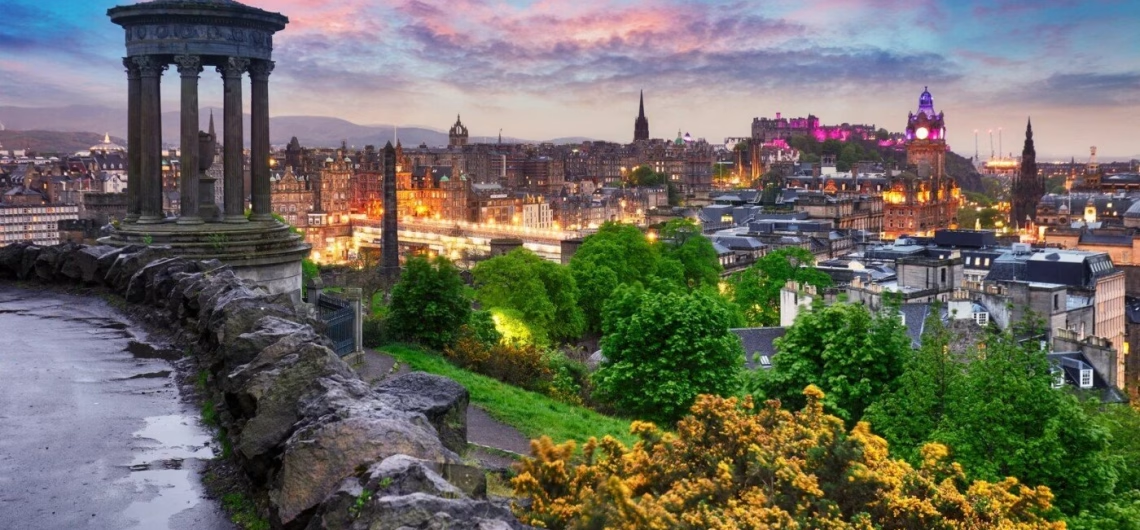
Edinburgh is often considered one of the most beautiful cities in Europe. With its medieval Old Town, Georgian New Town, and skyline dominated by Edinburgh Castle, it’s visually stunning. You can wander cobbled streets, explore secret closes, and enjoy sweeping views from Calton Hill or Arthur’s Seat.

Glasgow doesn’t fit the traditional mold of beauty—but that’s what makes it special. Its Victorian architecture, mural trail, lush parks, and art deco gems give it a different kind of charm. It’s grittier, more eclectic, and constantly evolving.

Verdict: Edinburgh is classically beautiful. Glasgow is artistically edgy. One’s a fairytale; the other’s a canvas.

Is the weather better in Glasgow or Edinburgh?

Both cities experience Scotland’s famously unpredictable weather—but there are a few key differences.

Edinburgh, on the east coast, is generally drier and a bit sunnier, though it can also feel colder and windier, especially near the coast or up in the hills.

Glasgow, on the west coast, sees more rain throughout the year, but it also tends to be warmer, particularly in the winter months.

Verdict: Edinburgh is slightly better for dry days. Glasgow wins on warmth. Either way, bring layers and a waterproof jacket!

Is Glasgow colder than Edinburgh?

This is a common assumption—but actually, Glasgow is usually a little warmer than Edinburgh, especially in winter.

That said, Glasgow also gets more rain, which might make it feel cooler if you’re caught in a drizzle. Edinburgh’s winds off the North Sea can also pack a chill, particularly in higher parts of the city.

Verdict: Glasgow is technically warmer, but both cities require a good coat and a sense of humor when it comes to weather.

Visit Edinburgh 1400x933
Edinburgh, Scotland

Is there a rivalry between Edinburgh and Glasgow?

Absolutely—and it’s all part of the fun.

Locals from each city enjoy playful banter about which is better. Edinburgh is often viewed as more refined, elegant, and formal, while Glasgow embraces its reputation as bold, cheeky, and down-to-earth. The rivalry shows up in football, festivals, and even in how people pronounce “garage.”

But beneath the jokes is a shared pride in Scotland’s identity. Many Scots love both cities for different reasons—and visiting both gives you the full picture of modern Scottish life.

Verdict: The rivalry is real, but it’s friendly. You’ll appreciate the contrast—and the character—in each.

Final Thoughts: Glasgow vs. Edinburgh – Who Wins?

There’s no single winner—just two incredible cities that highlight the diversity of Scotland.

Choose Edinburgh if you:

  • Love medieval history and castles
  • Want classic architecture and iconic landmarks
  • Prefer a more polished and romantic atmosphere

Choose Glasgow if you:

  • Crave a modern, creative city vibe
  • Want to explore live music, street art, and local pubs
  • Enjoy connecting with locals and experiencing authentic city life

If you’re short on time, think about what inspires you most: castles and cobblestones, or murals and music? But if you have a few extra days, the best decision is to visit both.

And with Brack Tours, that’s easy. We can create a custom itinerary that lets you explore Edinburgh, Glasgow, and everything in between, from whisky distilleries and lochs to historic castles and charming villages.

Explore Both Sides of Scotland with Brack Tours

Let our team help you plan the perfect Scottish adventure—whether it’s your first trip or your fifth. With expertly crafted tours, flexible itineraries, and local insights, Brack Tours is your guide to Scotland’s rich history, vibrant culture, and unforgettable cities.

📧 Get in touch today to start planning your Scotland tour.
🌍 www.bracktours.com